Sofia is a city about which you can hear different opinions. Some people say it’s a waste of time and there is nothing to do here, another ones will say it’s a lovely place for a short trip. My visit was also very short but I’d include myself to the second group of travelers and will say that this is quite underrated place and is worth a visit, at least once. So let me show you what I could find to do for two days in Sofia so you will also can prepare your 1-2 day itinerary.
One of the most iconic and recognizable places in Sofia is golden domed st. Alexander Nevsky Cathedral which is served as the cathedral church of the Patriarch of Bulgaria. It is said that this cathedral, built in Neo-Byzantine style, is one of the 50 largest Christian church buildings by volume in the world and the largest cathedral in the Balkans. This is not very old building. The construction was finished by 1912 and has a name of Russian Prince st. Alexander Nevky, as it was built in honor to the 200,000 Russian, Ukrainian, Belorussian and Bulgarian soldiers who died during the Russo-Turkish War of 1877–1878, as a result of which Bulgaria was liberated from Ottoman rule. This was a huge wonderful building with a beautiful rich interior, including some relics. I think this is the first place, where everyone is coming to see in Sofia.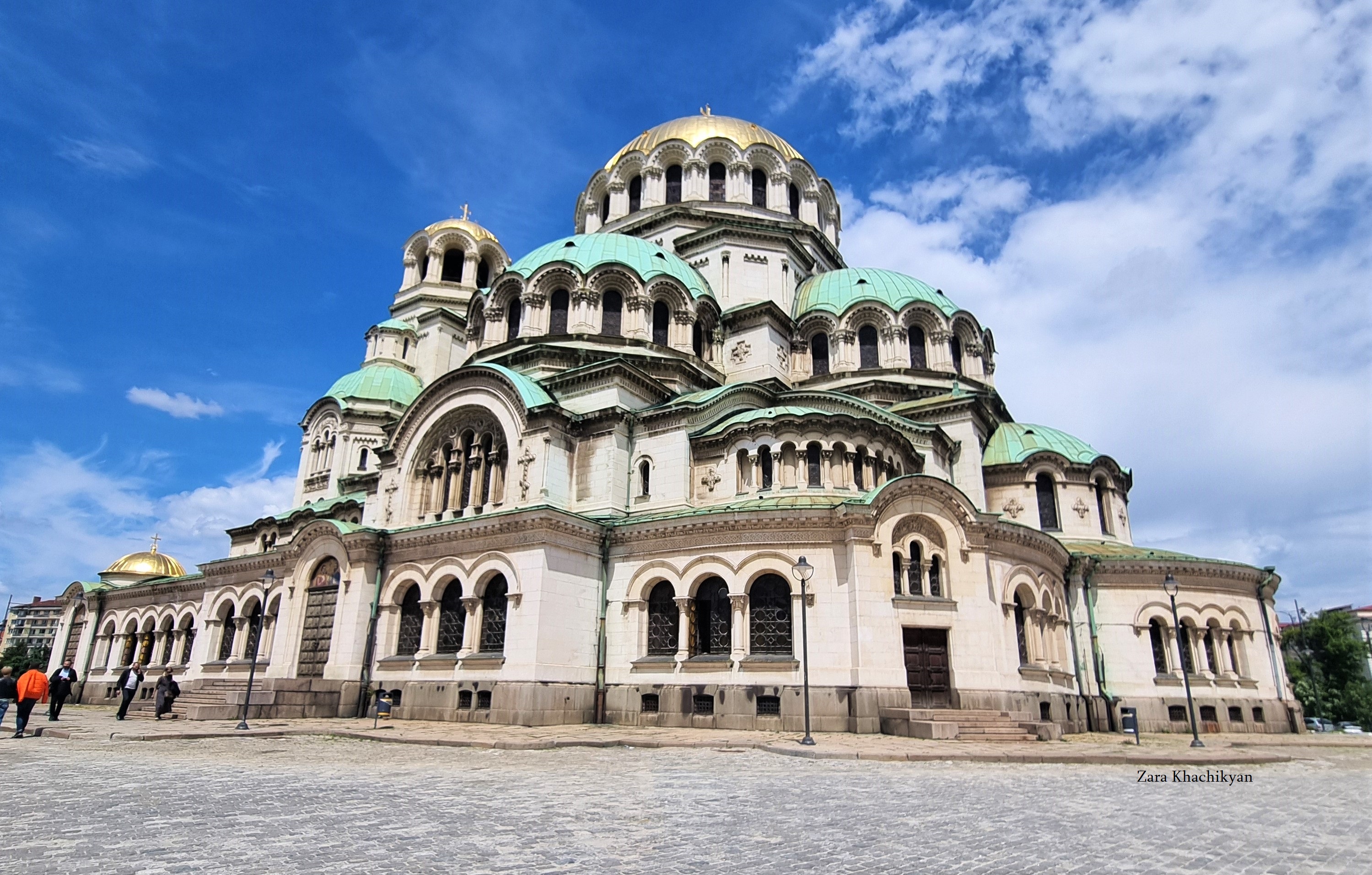
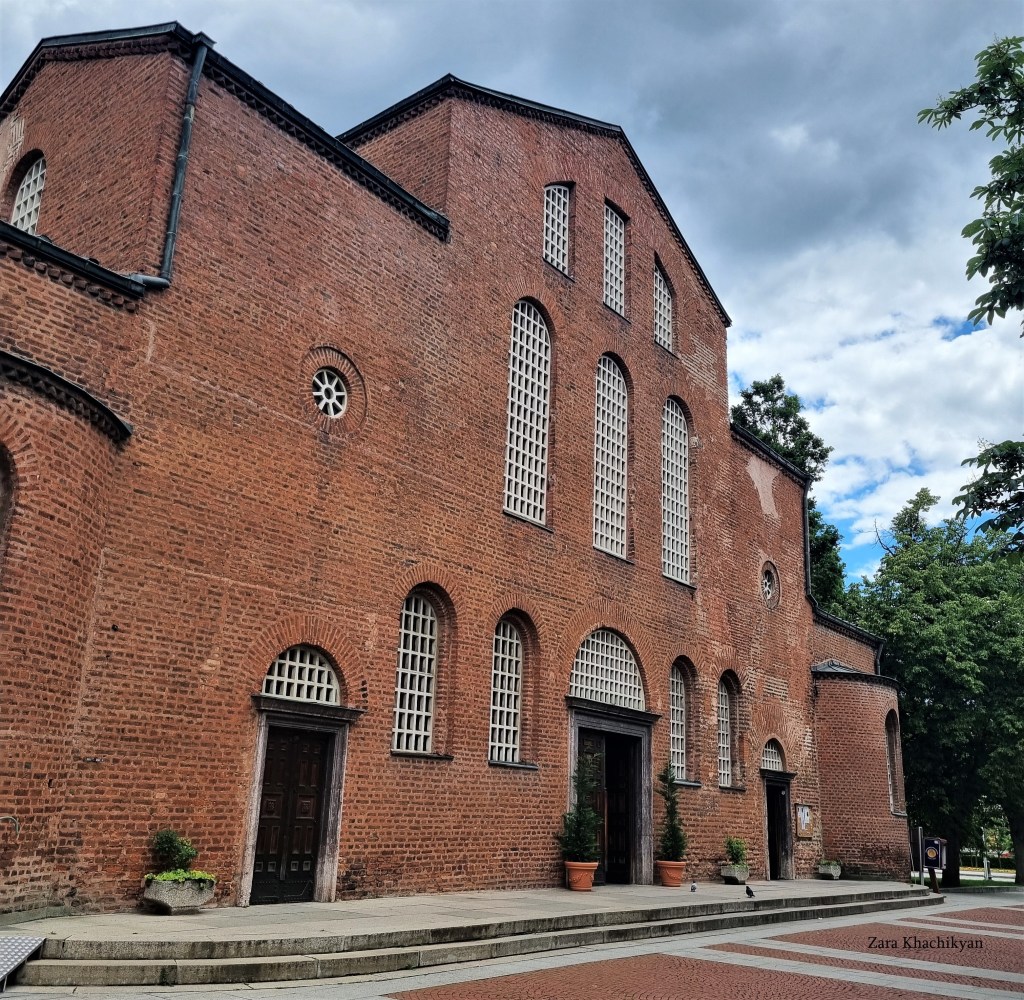
But don’t hurry to leave this place, as right next to the cathedral there is another important place that you must visit. This is the Basilica of st. Sofia, the second oldest church in Sofia dating back to the 6th century. The church itself looks very simple and as a usual tourist it might not attract you to enter. But believe me, if you love history of ancient times and archaeology, then this should be surely included in your list. The church of St. Sofia was built on the place of the necropolis of the city of Serdika (yes, this was the old name of Sofia) and other older churches from the 4th century. During centuries this church was used as a minaret and a warehouse.
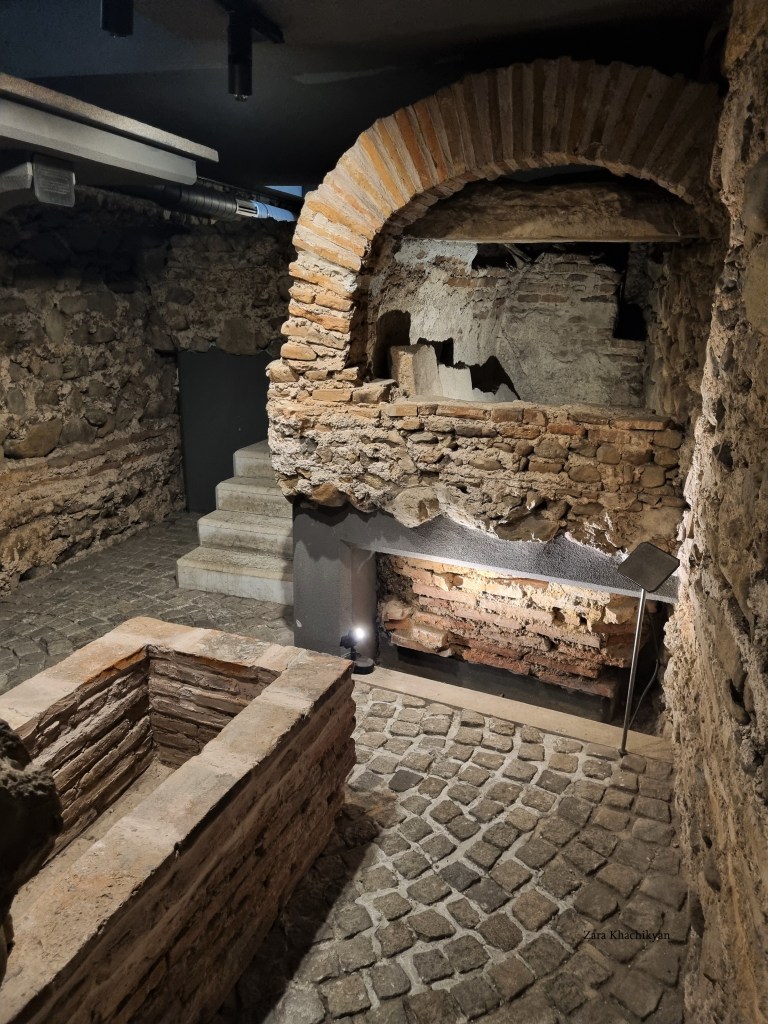
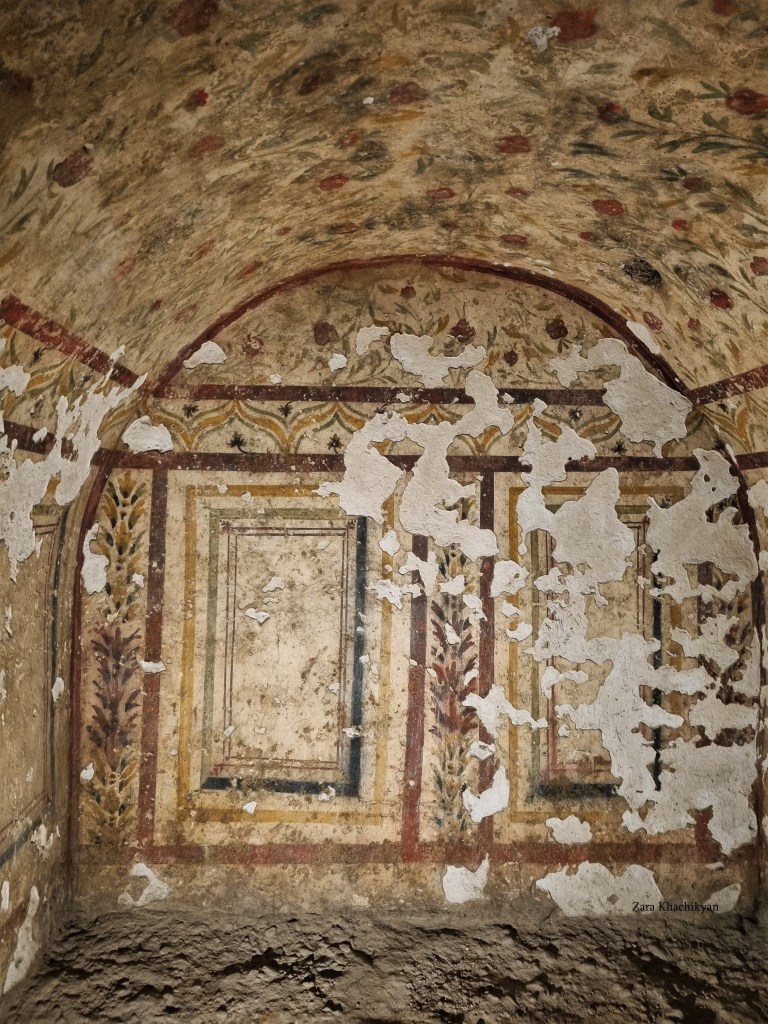
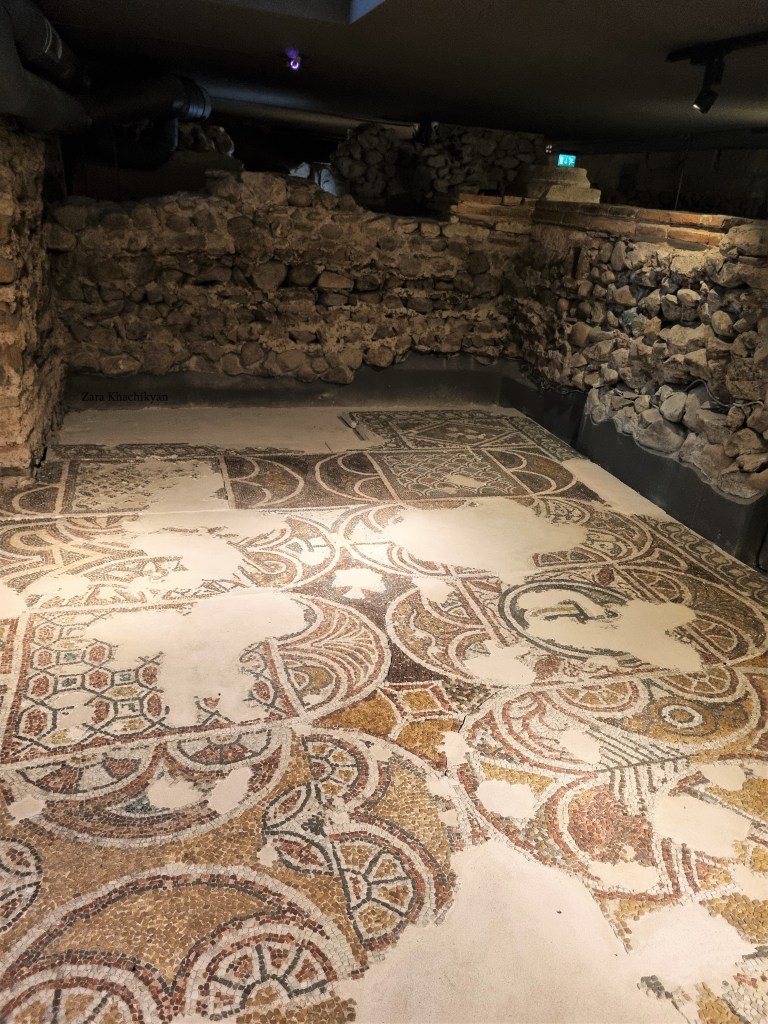
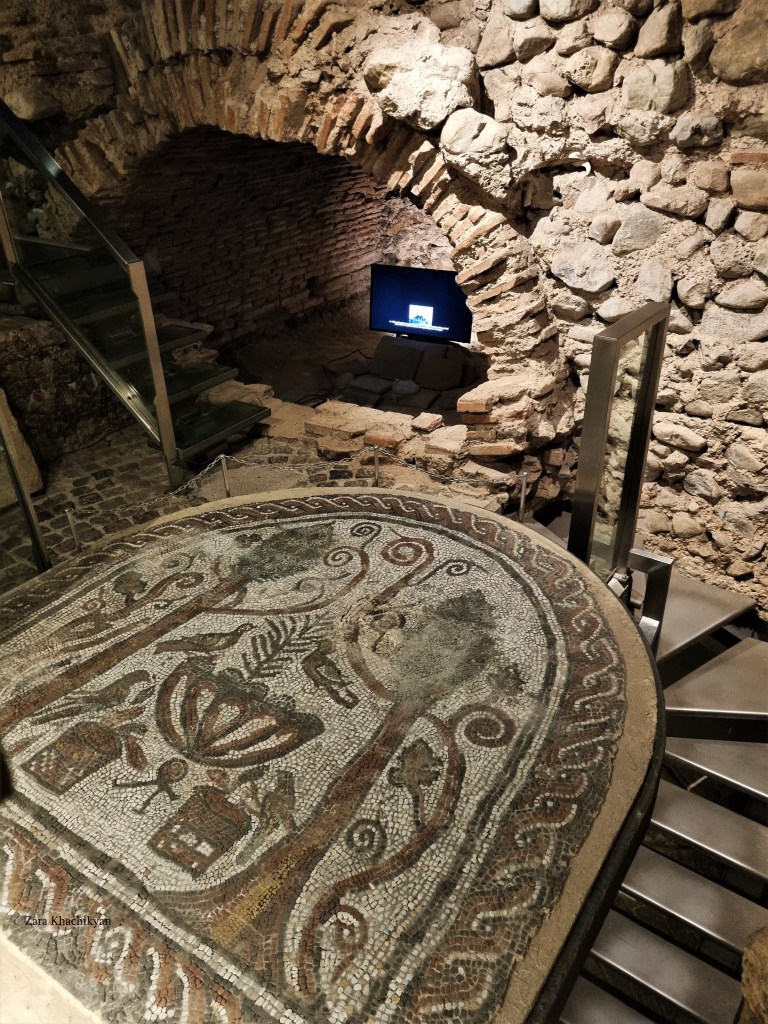
When you enter the church, from the left side you’ll see steps going down. And here the magic begins. You will enter Underground Museum Necropolis of Sveta Sofia. The entrance to the church is free, but you should pay 6 lev (which is around 3 eur) for the entrance to the ruins. Some reviews say to make sure you have cash, but I payed with a card and there was no problem with that. Downstairs on this ruins you will see catacombs and masonry tombs, frescoes and pretty nice mosaics of older temples on the floor. This is one of the most hidden but mesmerizing places in Sofia you shouldn’t miss.
But before we get into the other archaeological places of Sofia, let’s see what can we see in this area. Just in a few steps from thee 2 churches, there is National Theater Ivan Vazov, which is the oldest and most authoritative theatre in the country and one of the important landmarks of Sofia. The theater was built in a Baroque style, survived several bombings and earthquakes, reconstructed several times and today is one of the most visited places in Sofia. Looks like it really has a beautiful stage today and if you’re in Sofia and want to attend any play, you can check the program and book your tickets here.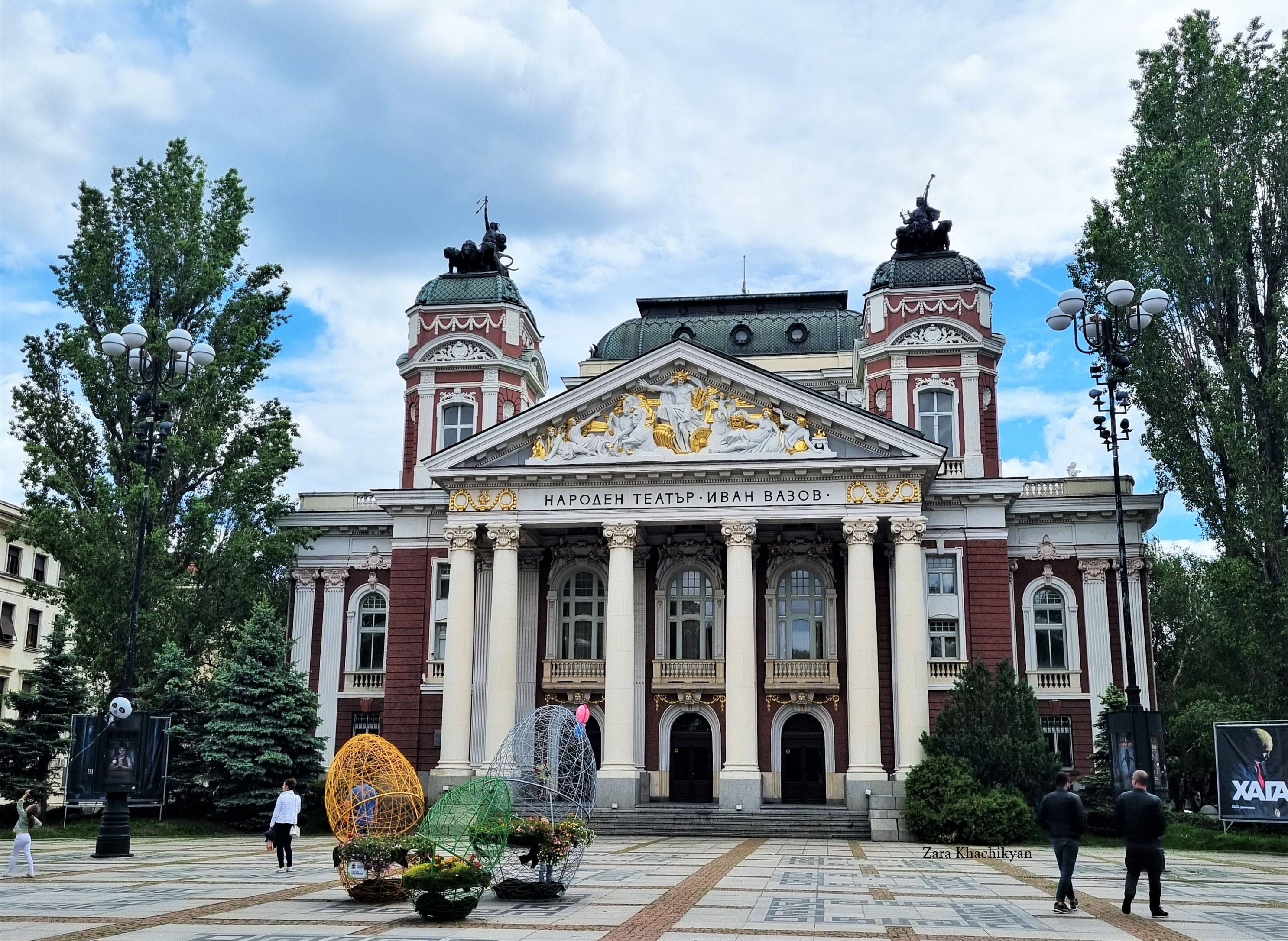
In front of the National Theater there is a city park, with nice waterfalls. You can take your coffee from nearby Starbucks or buy an ice-cream and spend some time under the shadows of the trees here. In general, I’m in love with the parks of Sofia. They are everywhere and make the city so green! Love it! Once you’re ready to continue walking, and if you love art, walk into the direction of The Royal Palace & National Art Gallery. This is the place I can say to make sure to have cash. I didn’t have money with me and couldn’t pay by card for the ticket, so could not enter to this museum and gallery. Yes, this museum consists of two parts, Art Gallery and Ethnography Museum. For each of them you should buy a separate ticket. In case you’re here, know that you can pay not only with local money, but with euros too (as Bulgaria is now in Schengen Zone and currently is in integration process). Take into account that this museum is closed on Mondays. This is one of the reasons to come back to Sofia, to visit this museum and see how Bulgarian kings used to live here.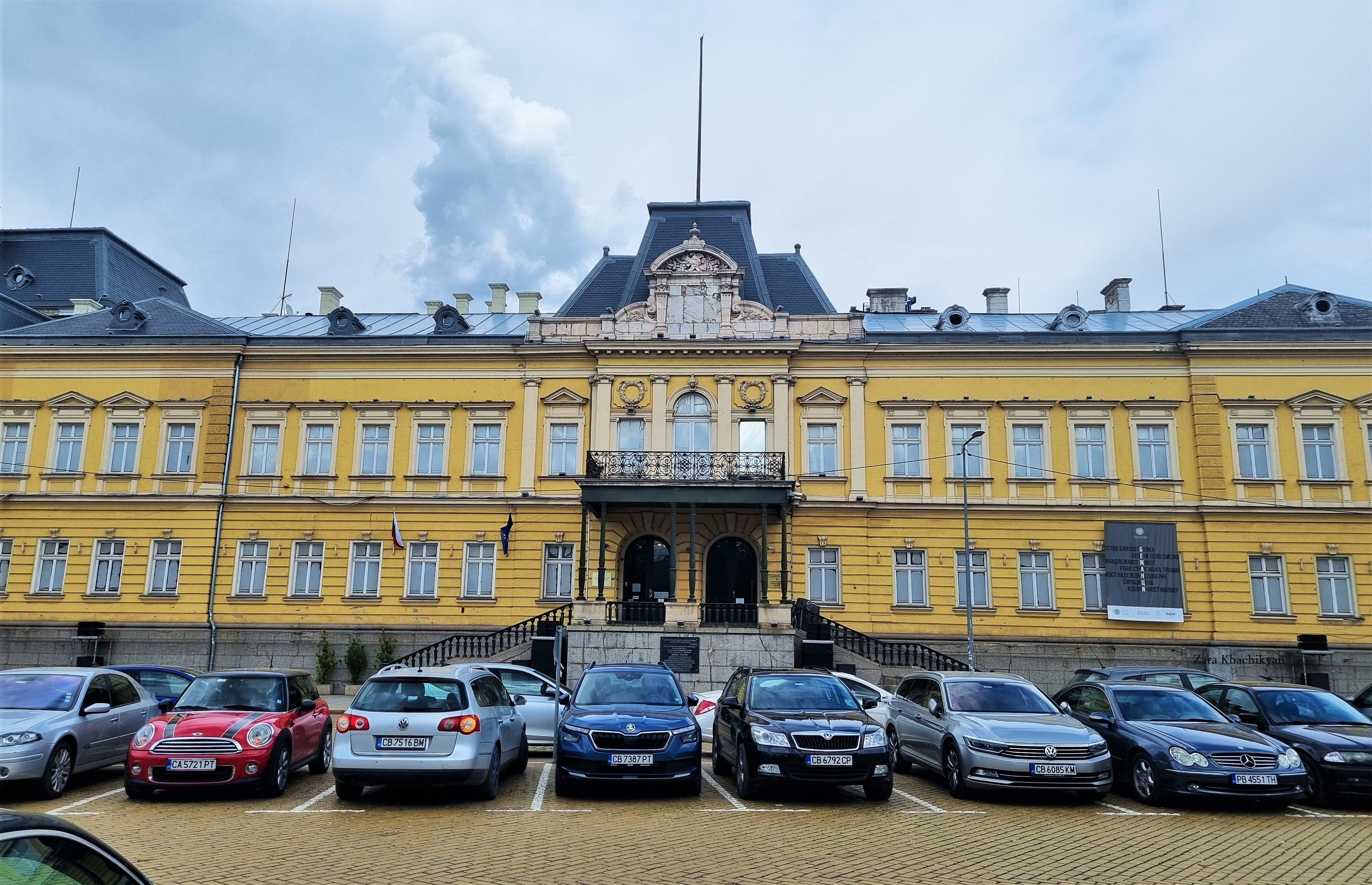
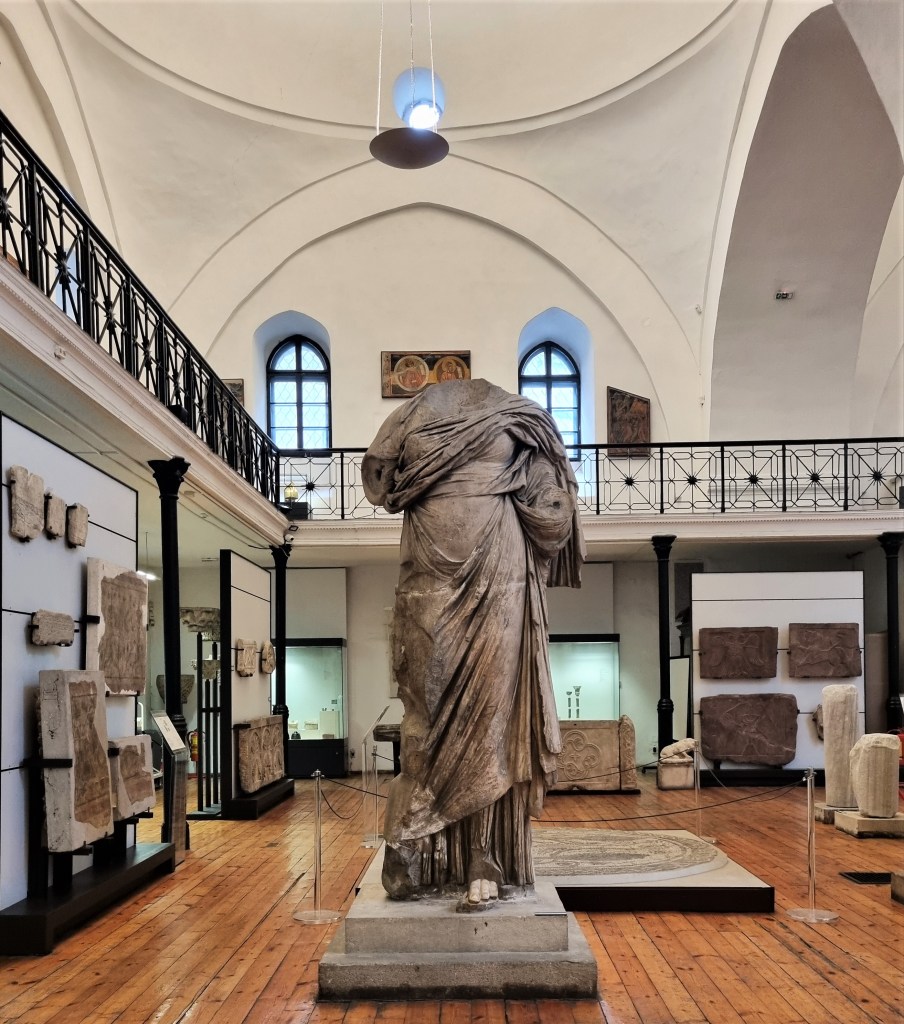
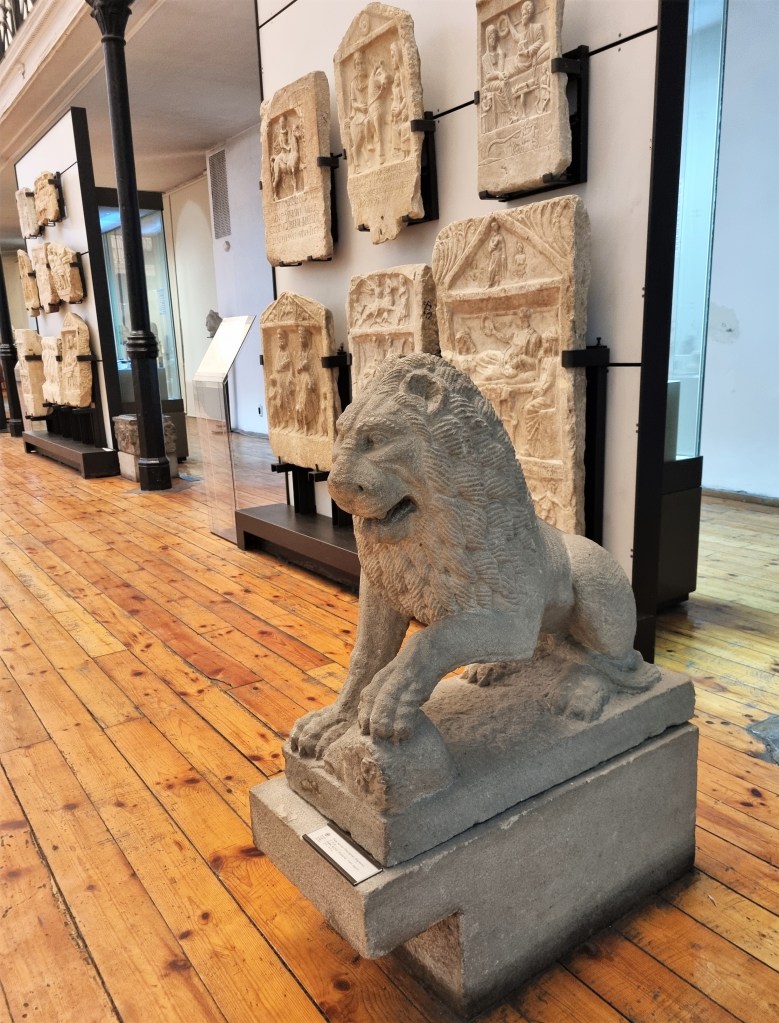
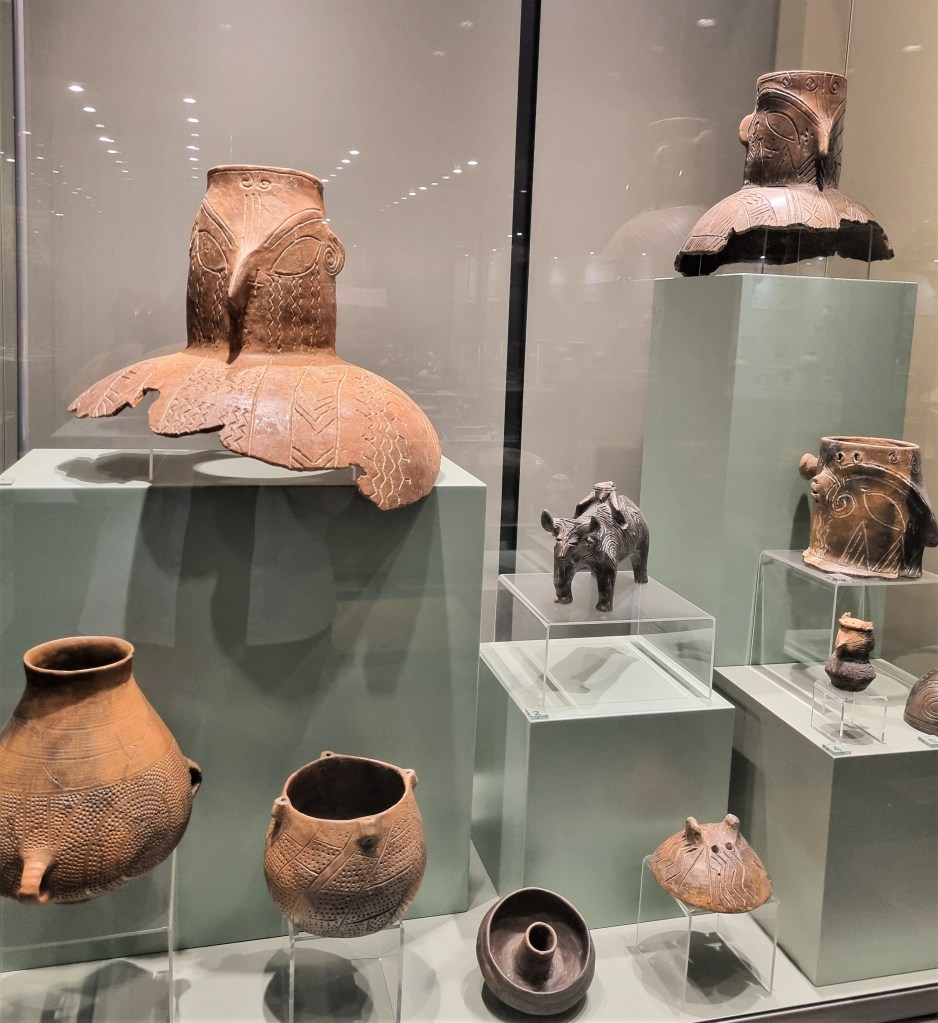
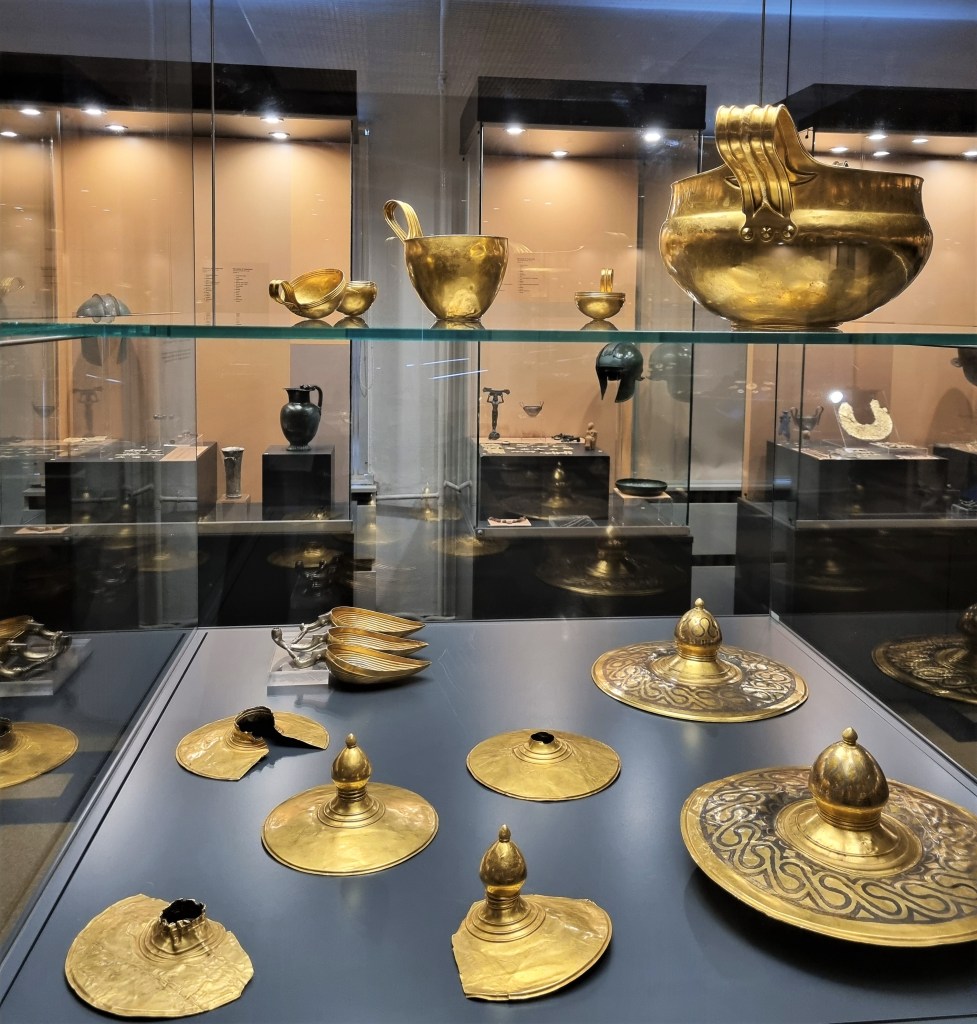
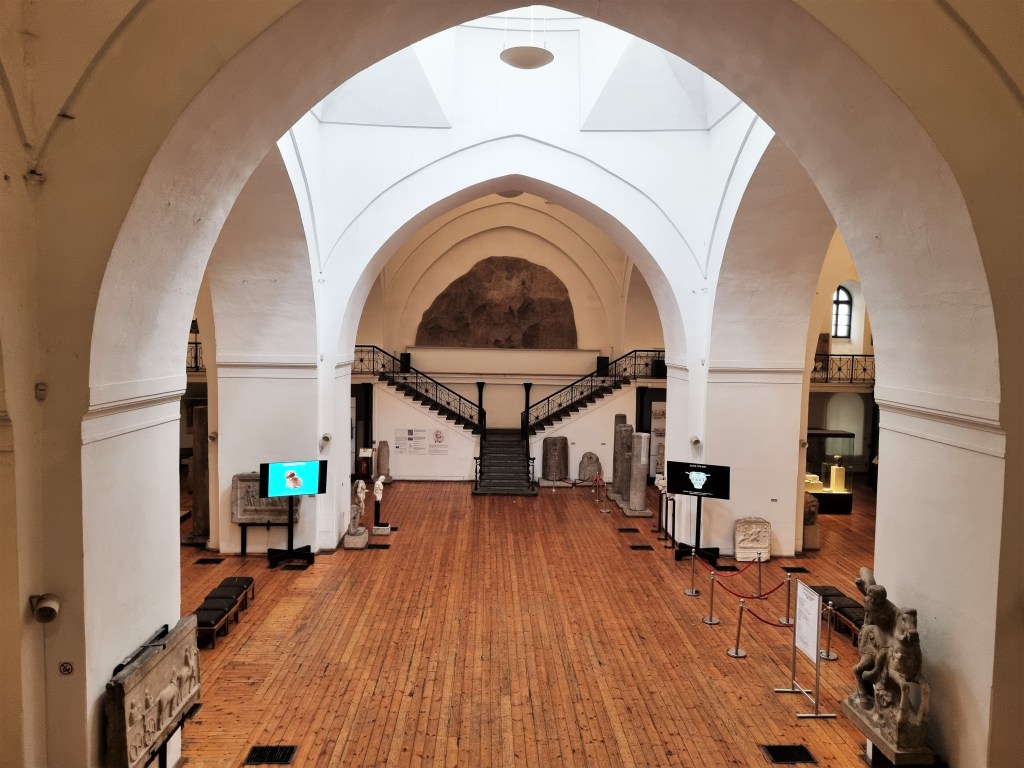
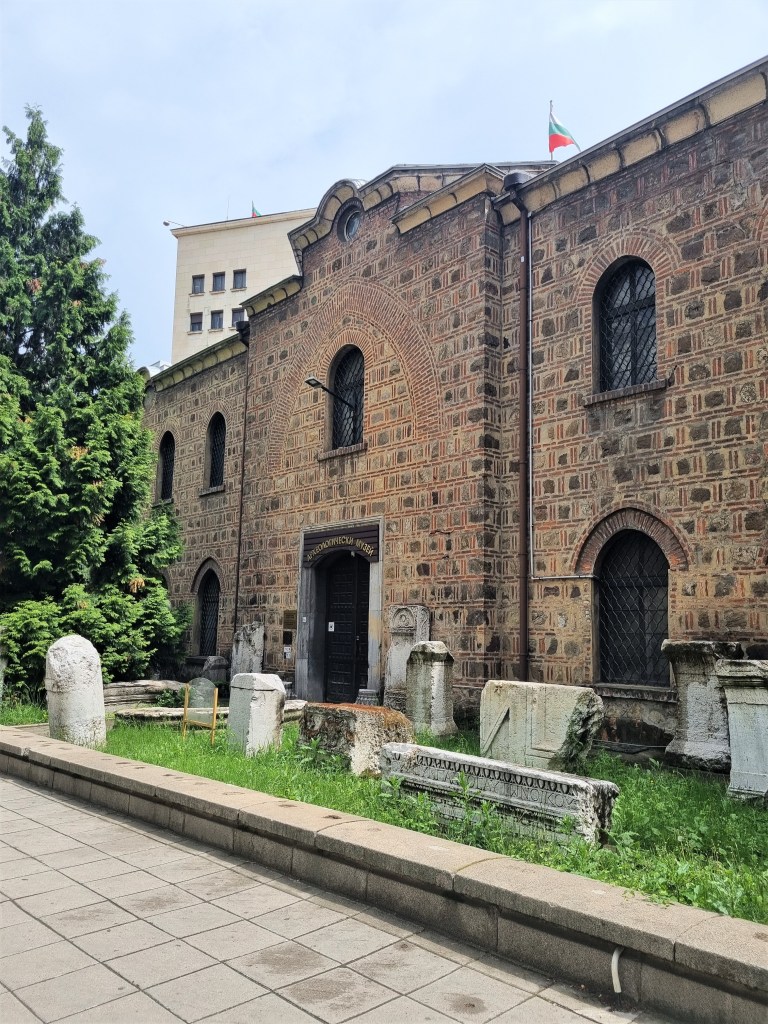
Now it’s time to visit The National Archeological Museum of the Bulgarian Academy of Sciences. This is like a paradise for archaeology lovers. If you’re here on the last Sunday of the month, you can visit this museum for free. On other days the admission ticket costs 12 lev (or 6 eur). You can get a guided tour or visit the museum on your own. This is really interesting place to spend time, as here you can see different kind of artifacts, starting from wall carvings and statues, until clay and gold made exhibits. Each room and hall deserves a separate attention. Be ready to spend here an hour or more, as there is a lot to see starting from prehistory times until middle ages.
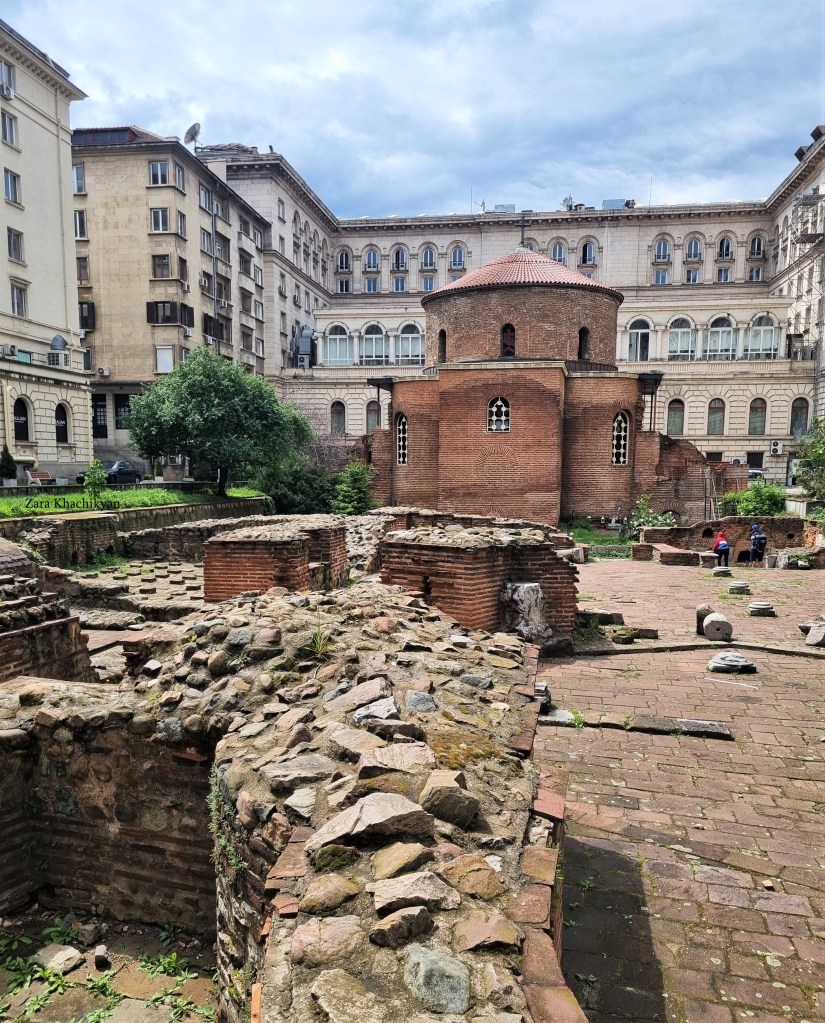
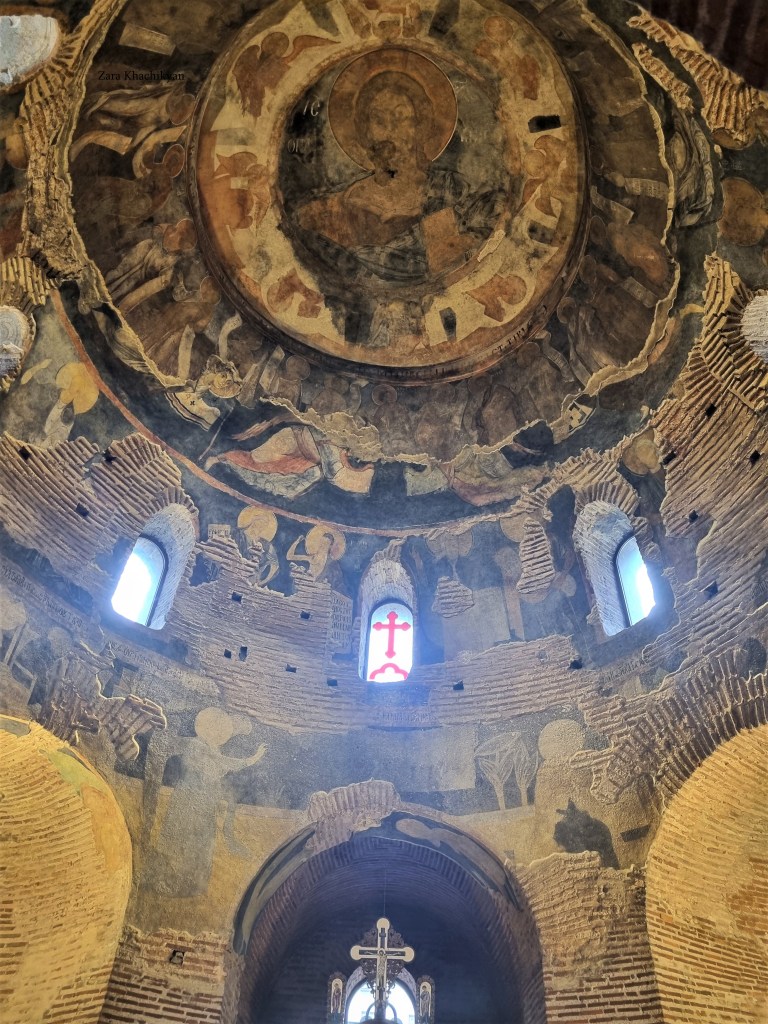
Very close to the Archaeological museum there was an Ancient orthodox rotunda church “Saint George”, which is hidden from people’s eyes. Before leaving the museum I asked the personnel the direction, and the woman came with me, left the building of the museum and showed me the place, where I should go. Right in front of the museum there was a Presidential Palace and in its courtyard the 4th century building was hidden. People say that Sofia is a 2 level city, means there was another level of buildings under the current city. And yes, you will see this marks on every steps here. But the Rotunda of st. George is the oldest architectural monument in Sofia and dates back to 4th century. You can easily see that the rotunda and the surrounding ruins are about 3m lower that the main streets of today’s Sofia. It was initially built as Roman Baths and became a church in later years inside the walls of Serdica. Today you can see the ceiling decorated with some frescoes, from which only 3 layers are discovered from 5, and the oldest one is dating back to the 10th century. Outside the church there are ancient ruins which are a section of a Roman street with preserved drainage and some other buildings.
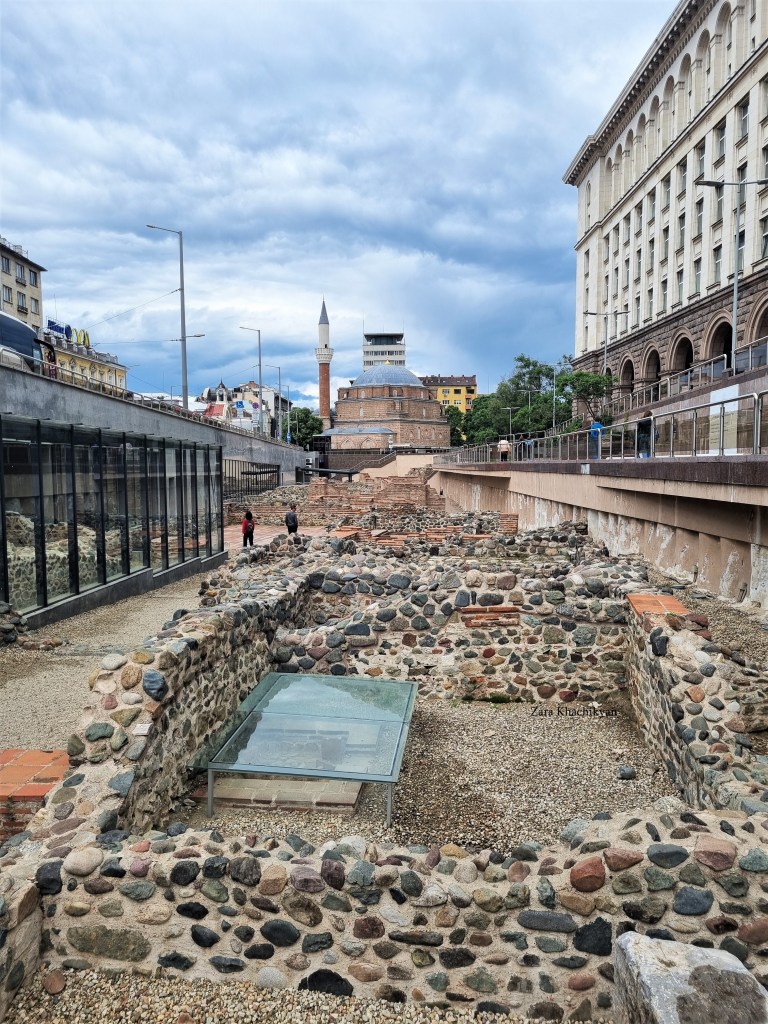
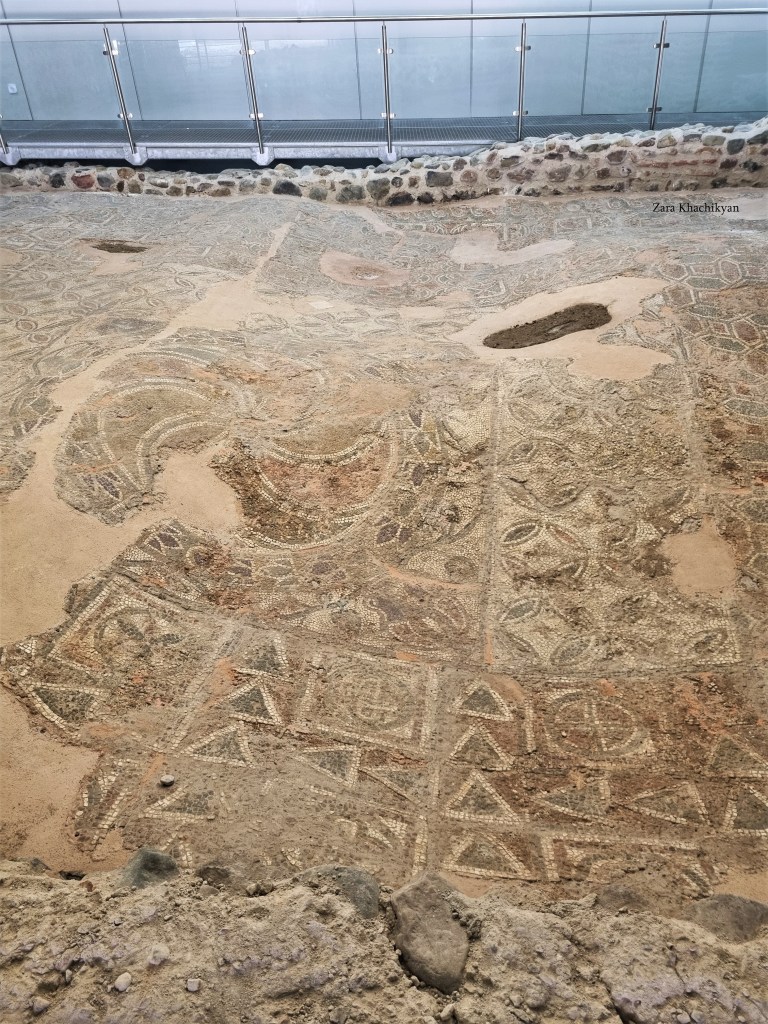
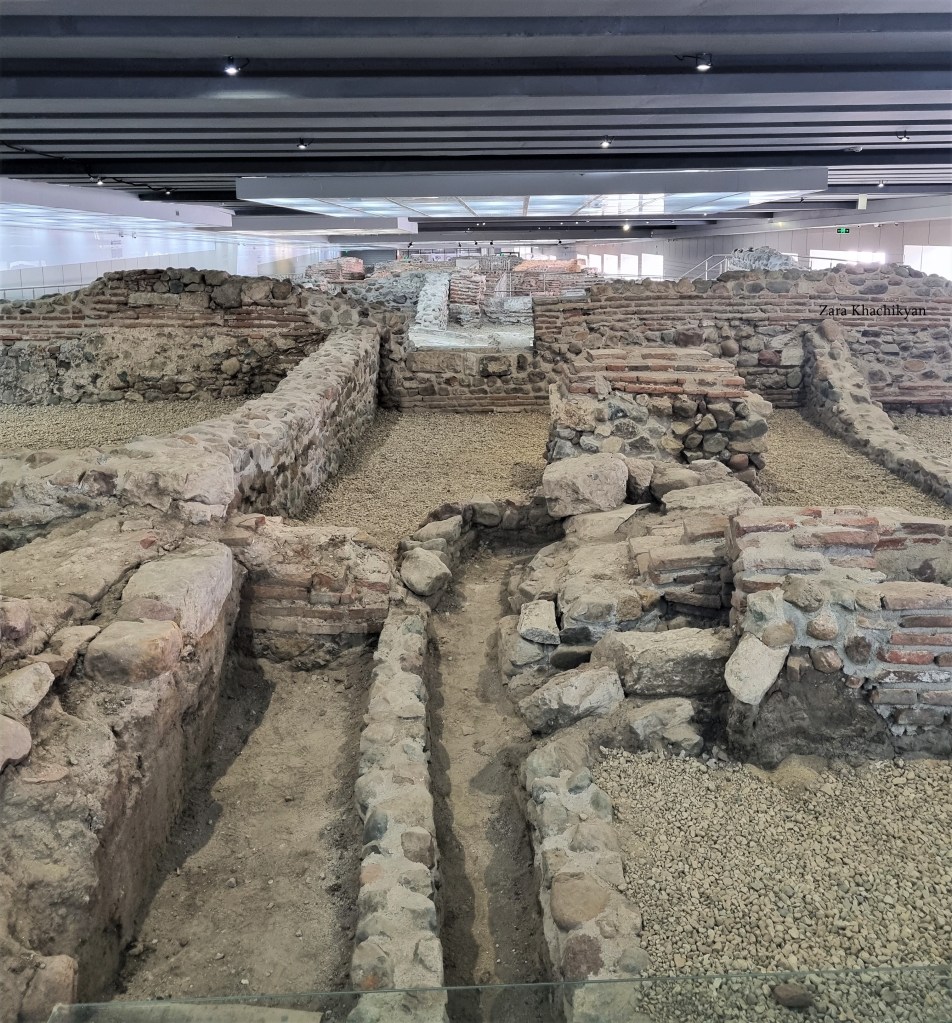
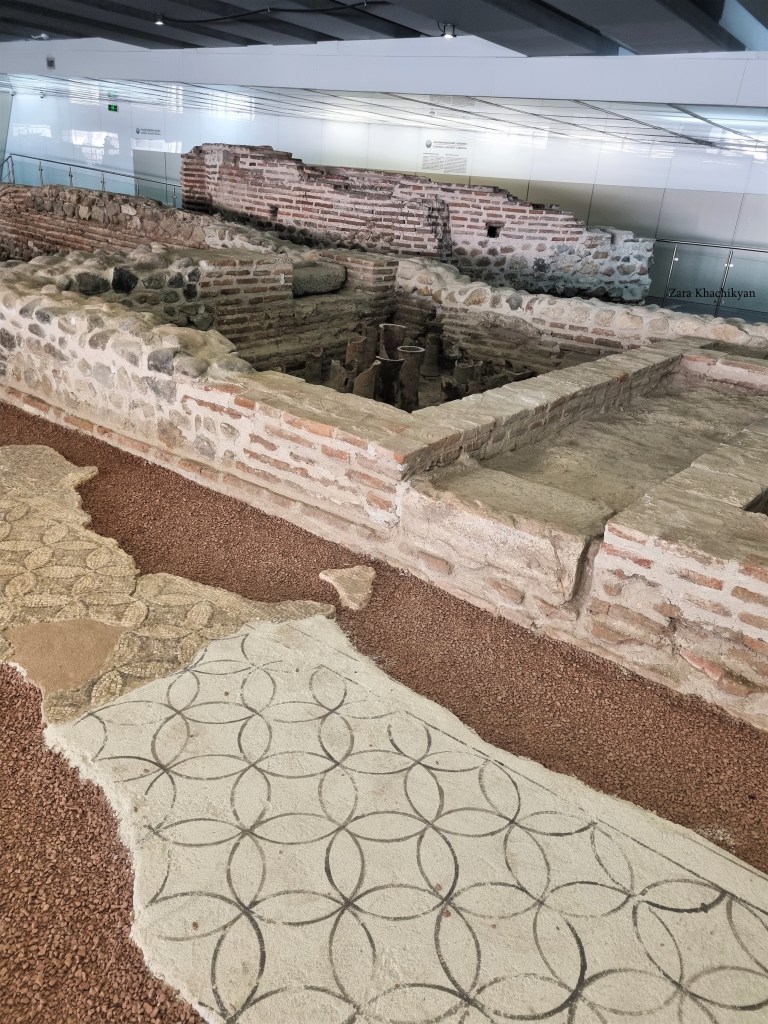
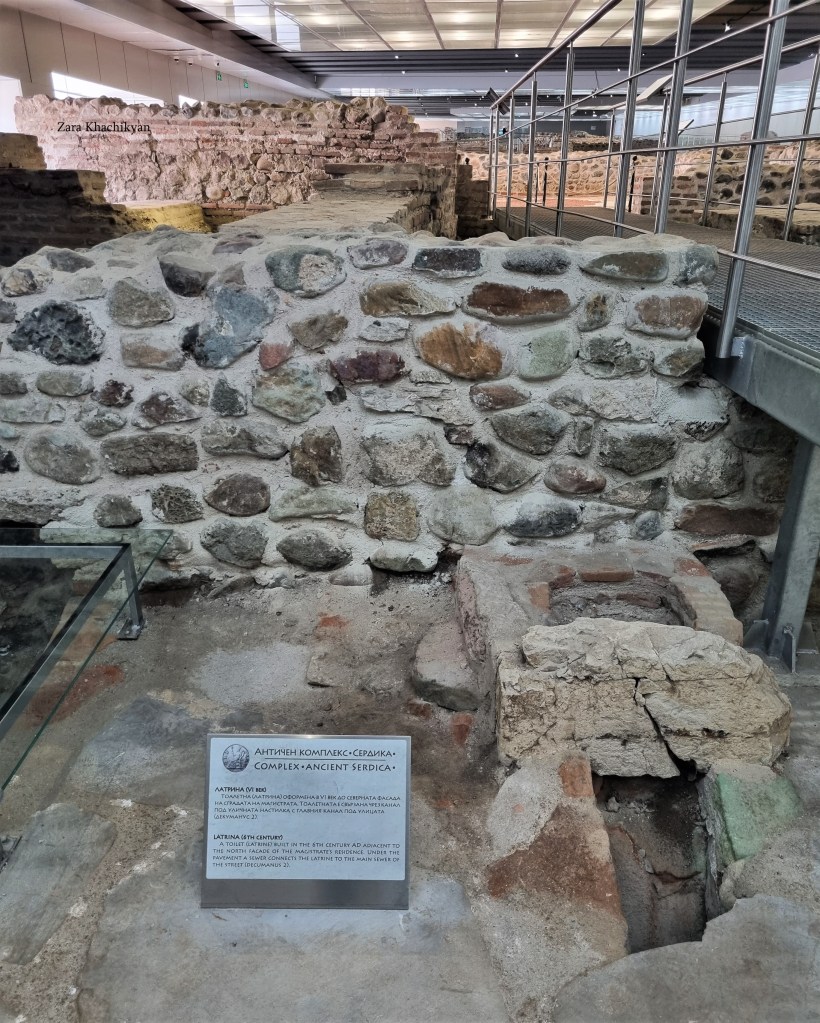
The other and bigger part of such discoveries can be seen at Archeological reserve “Ulpia Serdica” which is next to the metro station Serdica. This place is separated into 2 parts. One of them is outside and is free to walk in and discover, while the other one is covered with a roof and needs an entrance ticket to get in (just for 6 lev only). I have to mention, that I was the only one visiting the covered area, which was good from one side – no one was making noise or disturbing and I could walk around freely, but from the other side it was not that good, as people didn’t want to pay a penny to see how everything was built in the beginning. If you are here, please do not save this 6 lev and visit the covered part of Ulpia Serdica. You will see some beautiful mosaics on the floor, see how the water drainage was done with ancient pipes, will even see also ancient toilets here! This historical landmark truly deserves your attention!
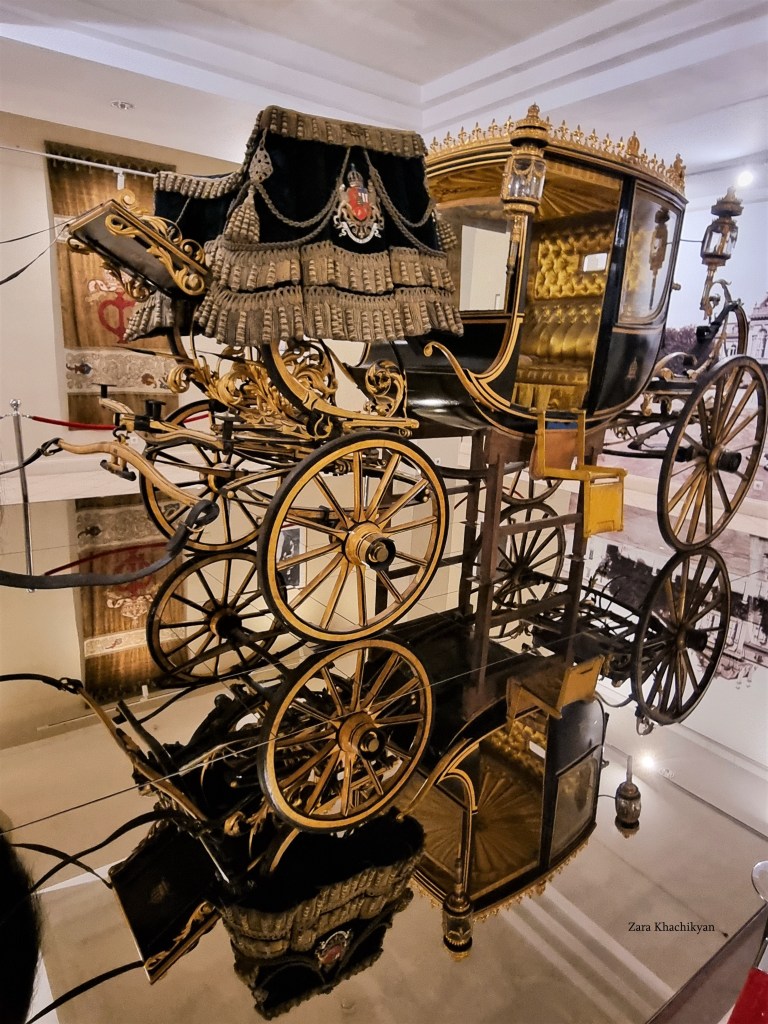
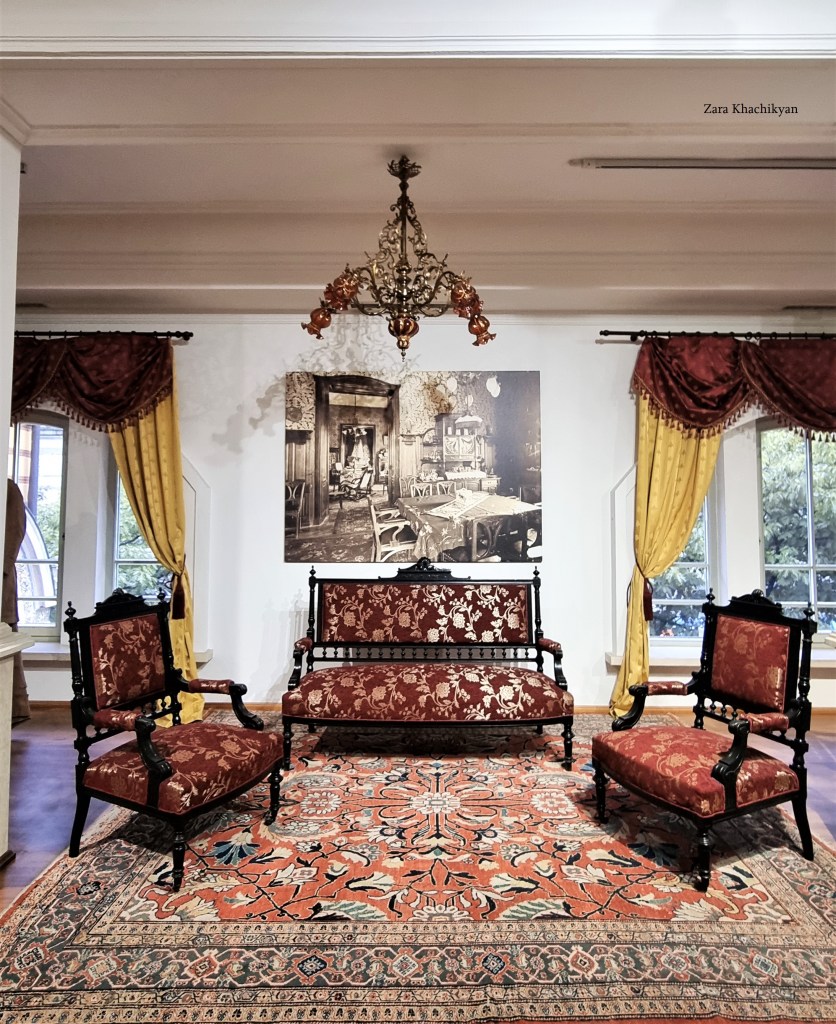
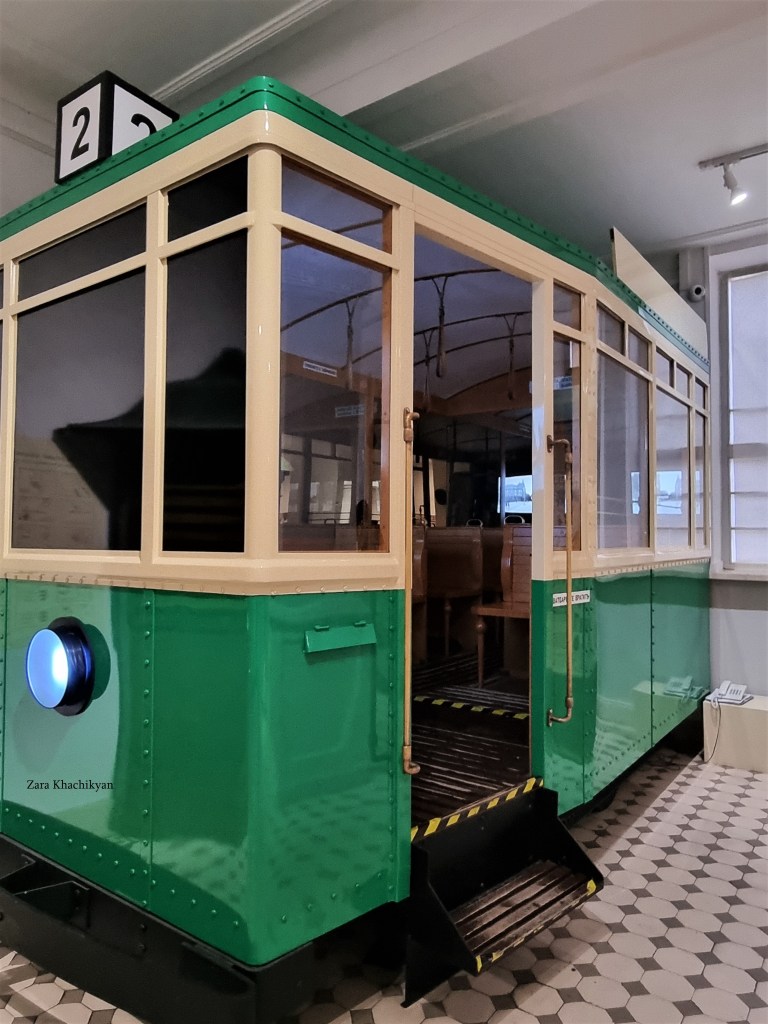
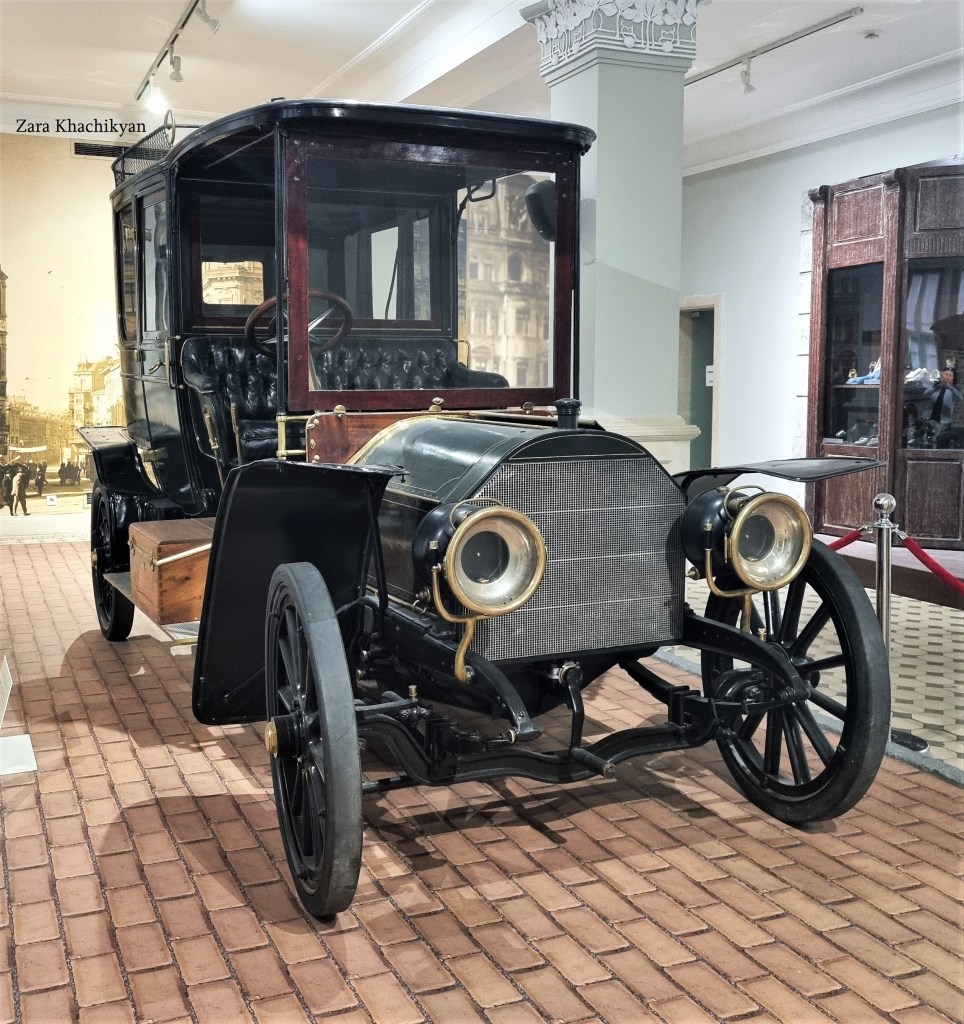
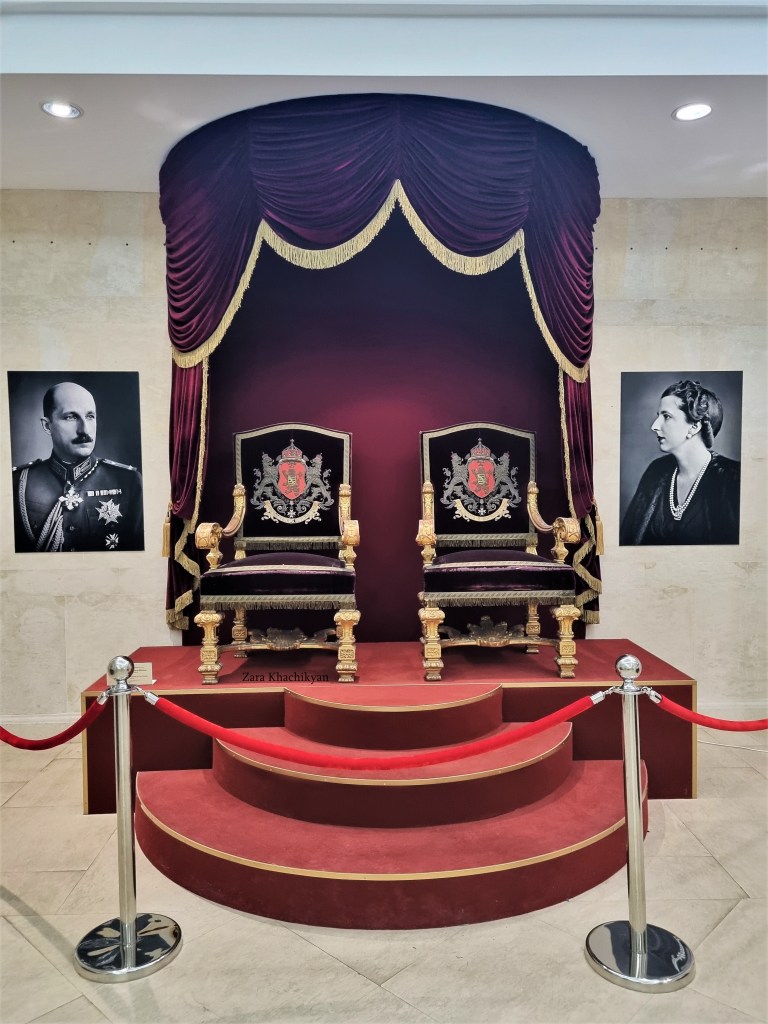
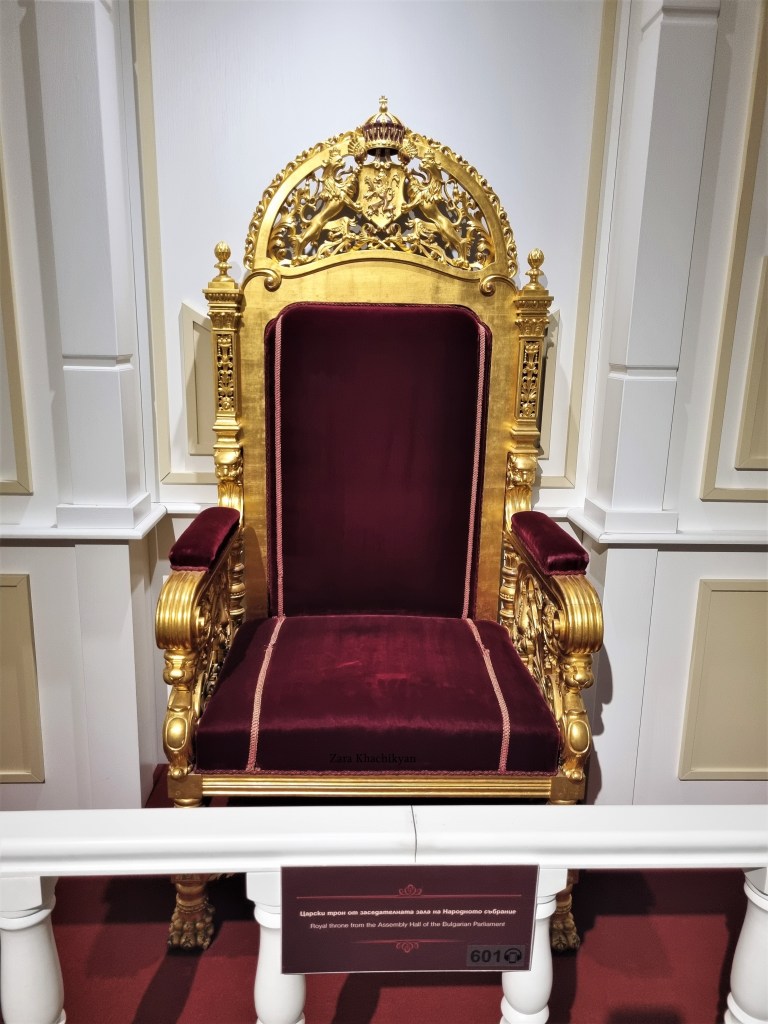
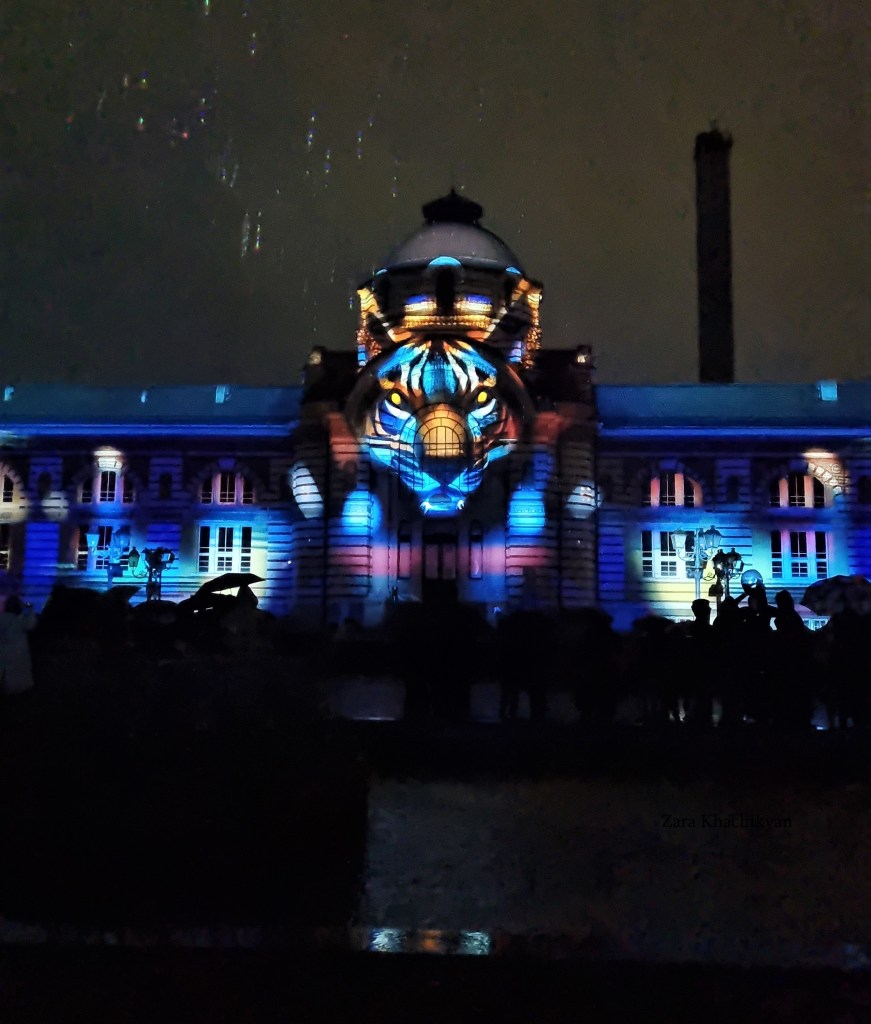
It’s time to visit the Regional History Museum now. This is probably one of the most beautiful buildings in Sofia which was the former Central Mineral Bathhouse, built in 1912. It includes exhibits, covering a period of more than eight thousand years – from the Neolithic to the 1940s and each period is grouped by themes. With a price of 6 lev you can visit all these 8 halls and see the transformation of the city, the artifacts found here, the way people used to move around, interior they used to live, the dresses of usual people, thrones of the kings and much more.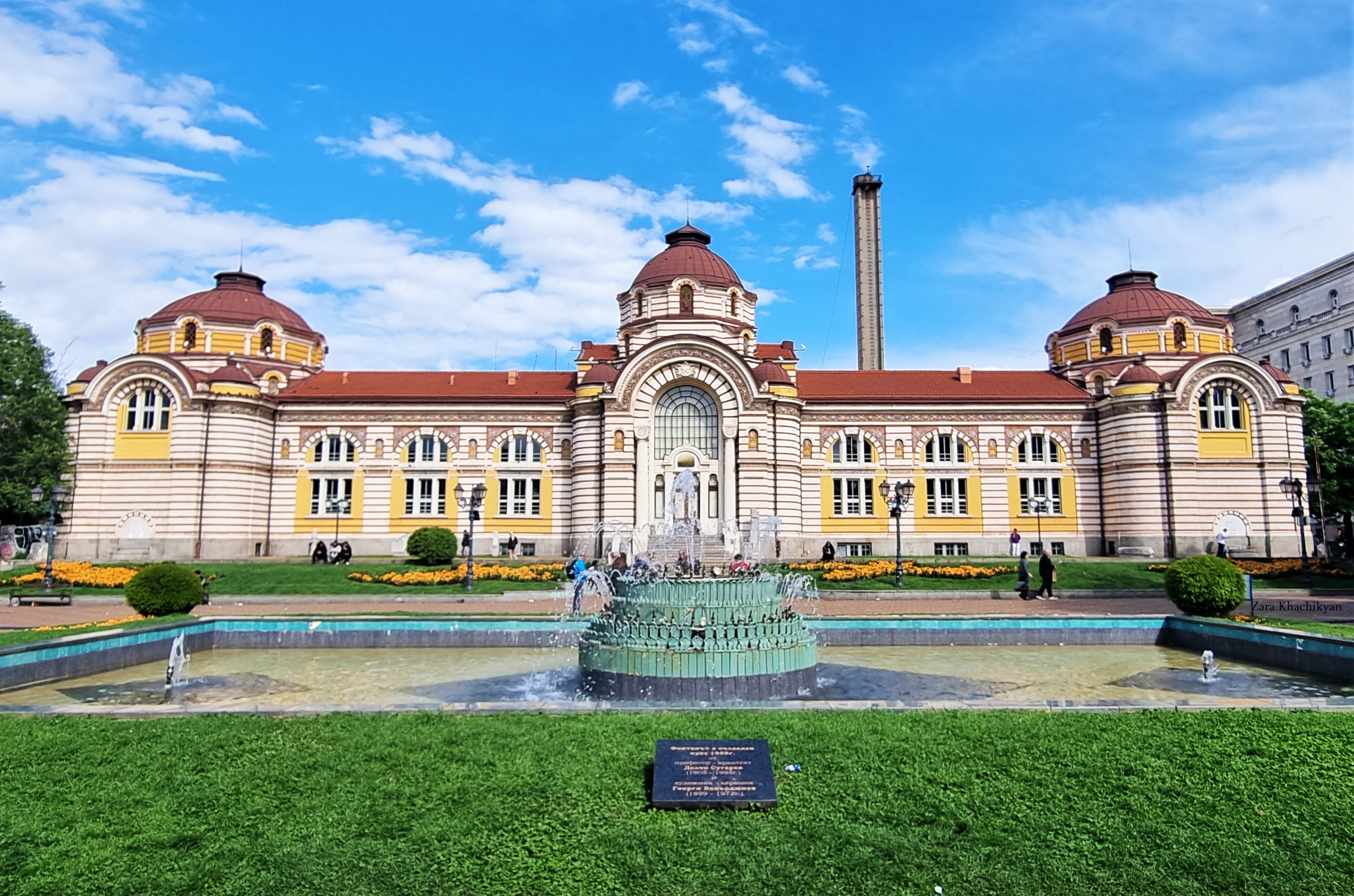
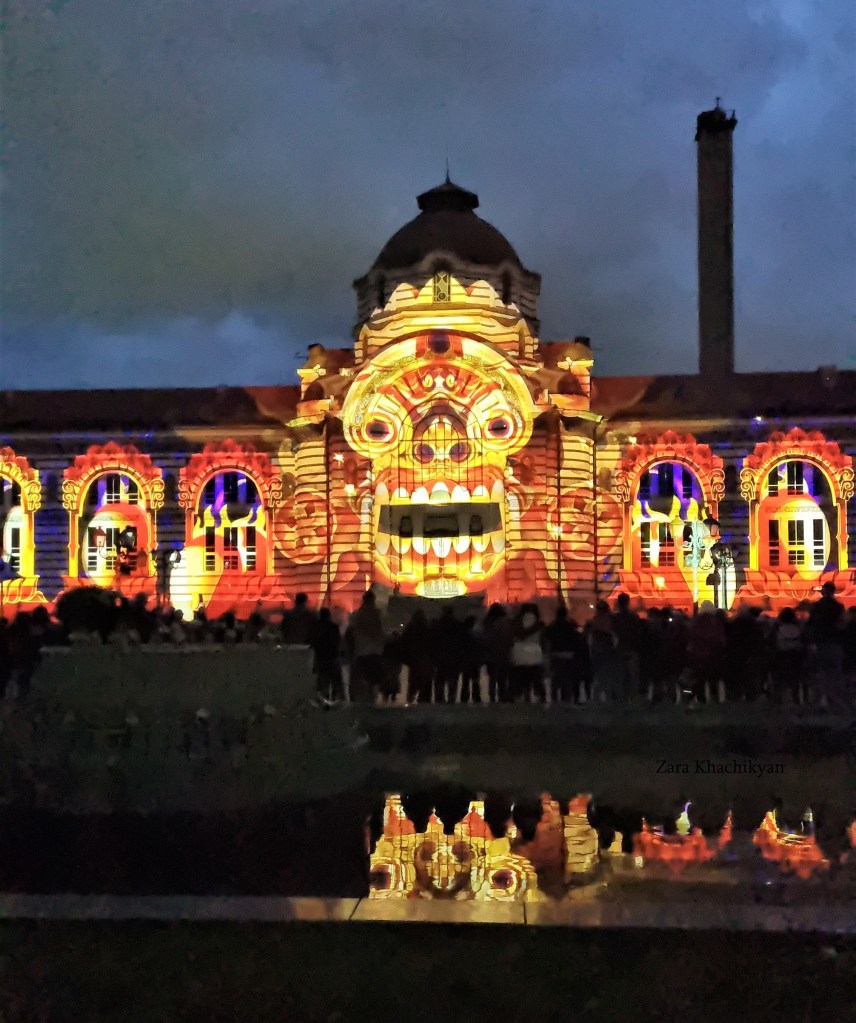
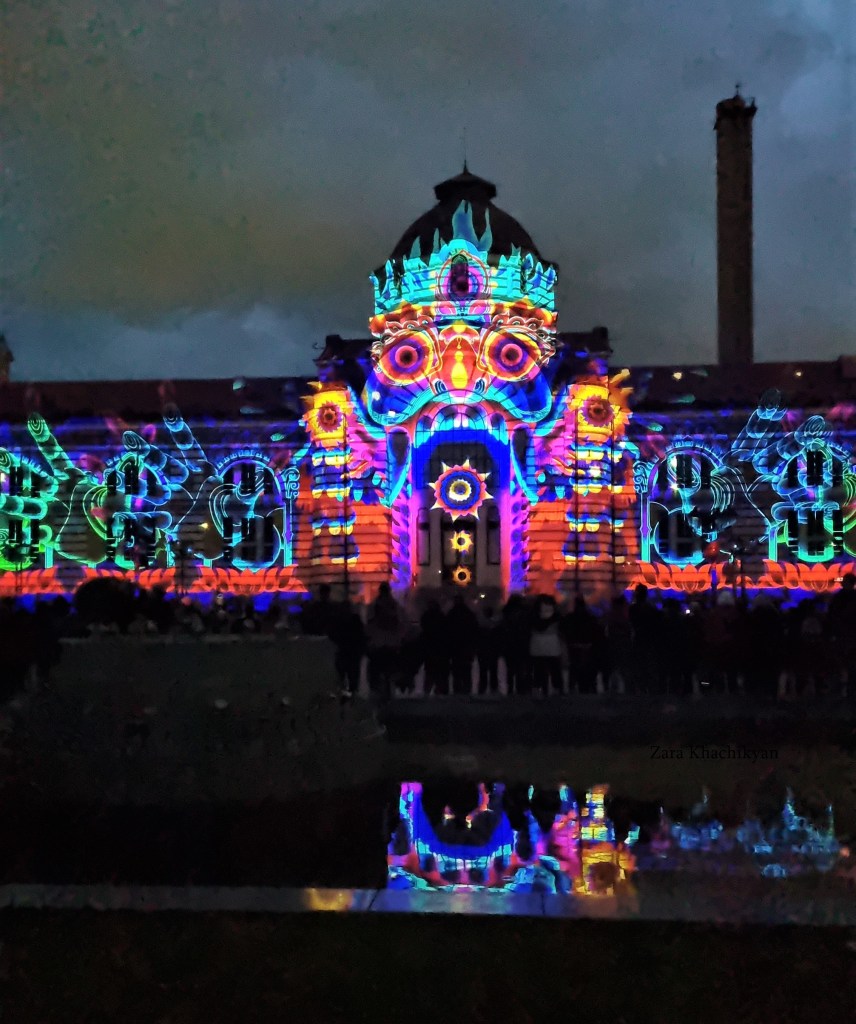
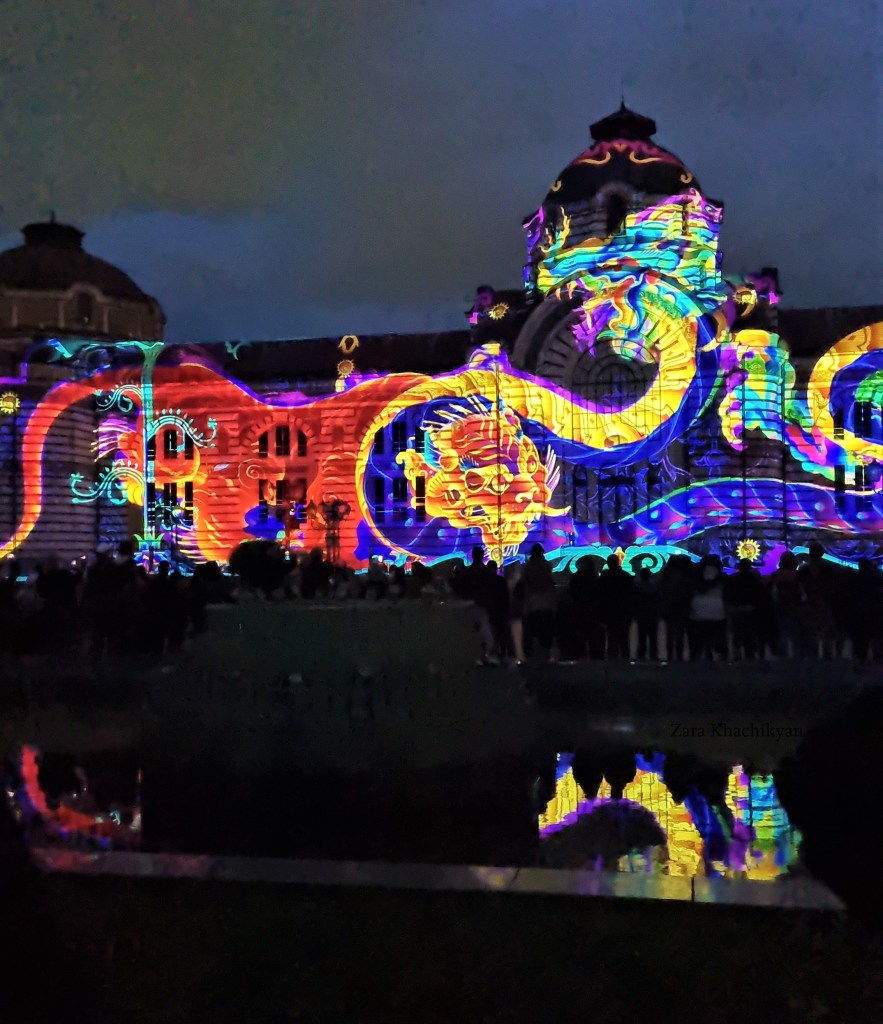
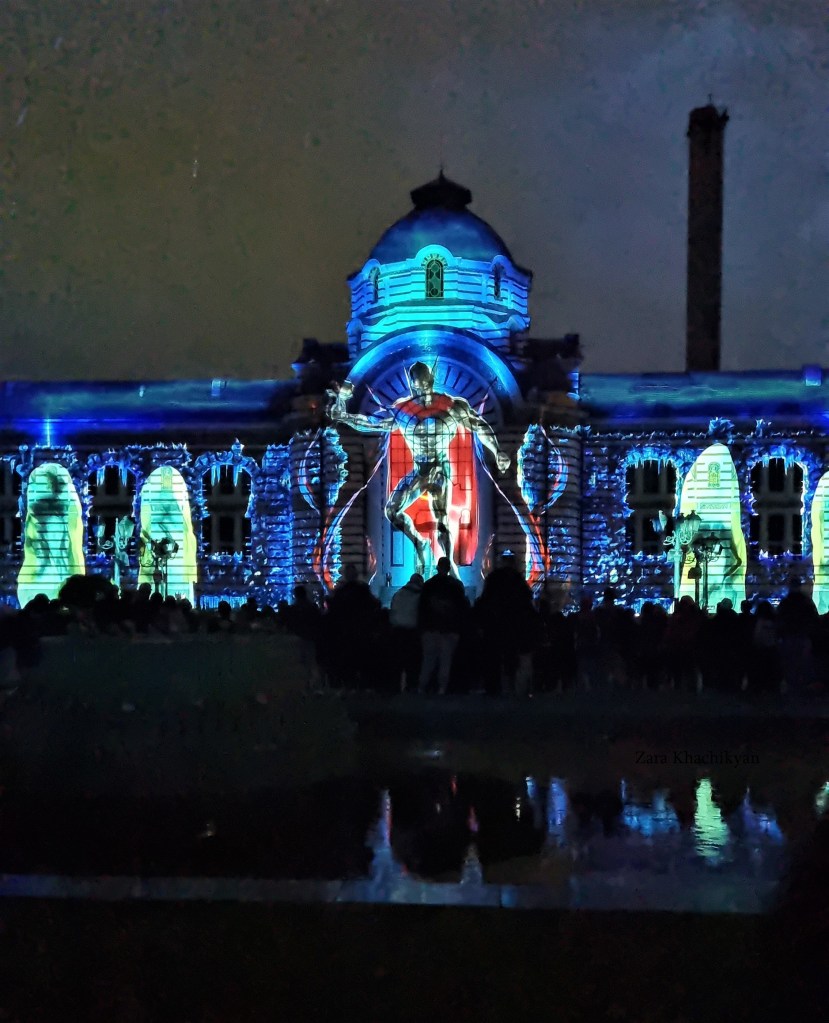
During the time I was in Sofia, this building was transformed into another magical place, attracting people to get around. As soon as it got dark (around 9pm), the Lunar show started. The show had 3 day duration and was a competition of animations which were lit up on the walls of different buildings in Sofia. One of them was here. I was here only on the last day of the competition, where the winners were announced. During the 30 minutes the building transformed into a big “screen” for an amazing show. Once all the animations were shown, the process started over again for the people who joined later. Even the heavy rain didn’t stop people to stand here and watch it. This was really wonderful. Here are snapshots from that magical moments:
When you are tired of visiting museums or churches (which are a lot here), go for a walk in Vitosha boulevard. This is a long pedestrian street, with lots of cafes and restaurants, where you can have a refreshing drink or a tasty dinner (by the way, prices are quite affordable!), or shopping in the small and big markets here. Don’t forget to find local shops with famous rose fragrances, where you can find oils and perfumes, body creams and soaps and much more interesting souvenirs smelling like real roses. Ah yes, and an interesting fact about this street. It is named after a mountain of the same name, that is visible at the horizon (look at the picture below). 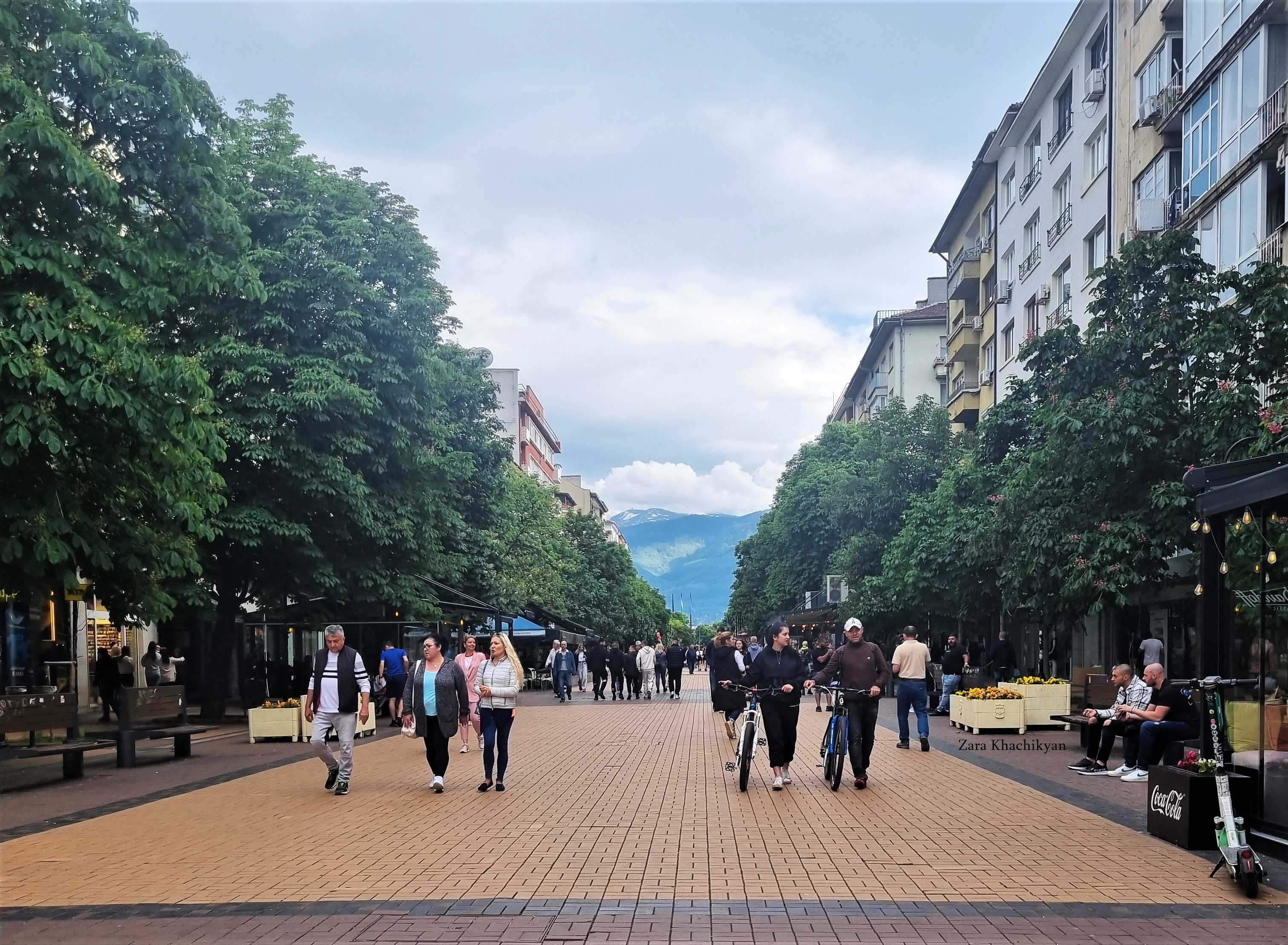
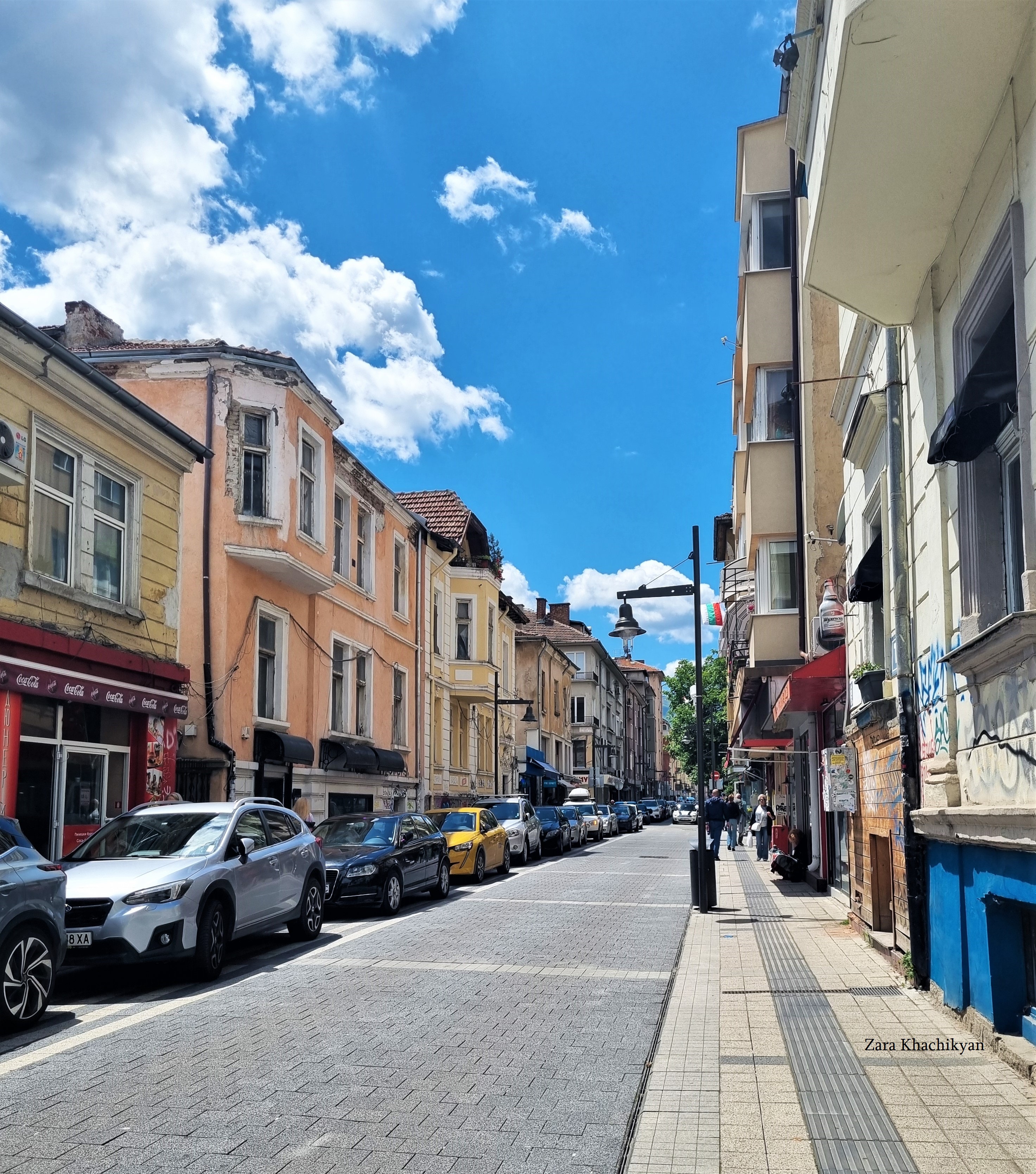
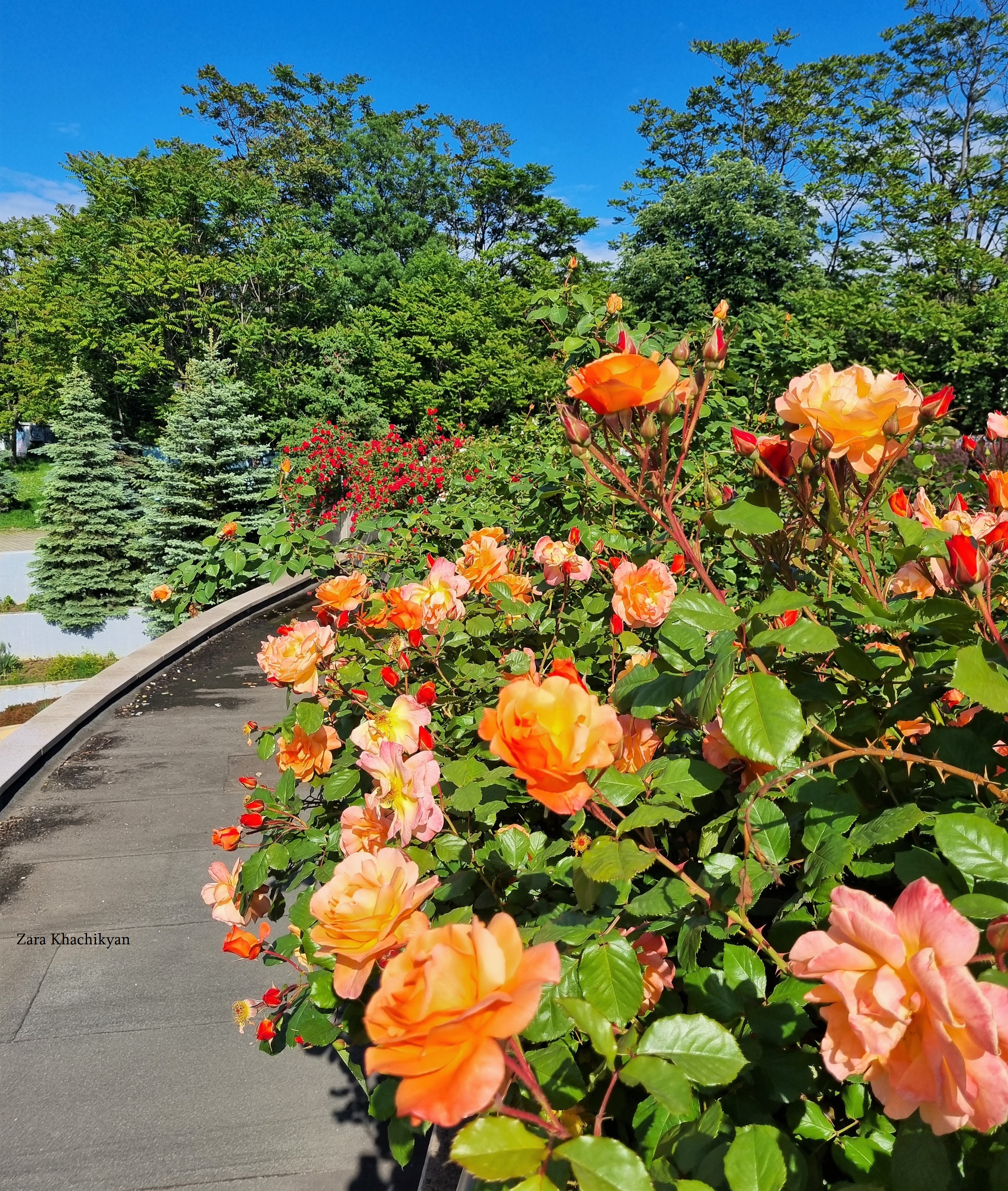
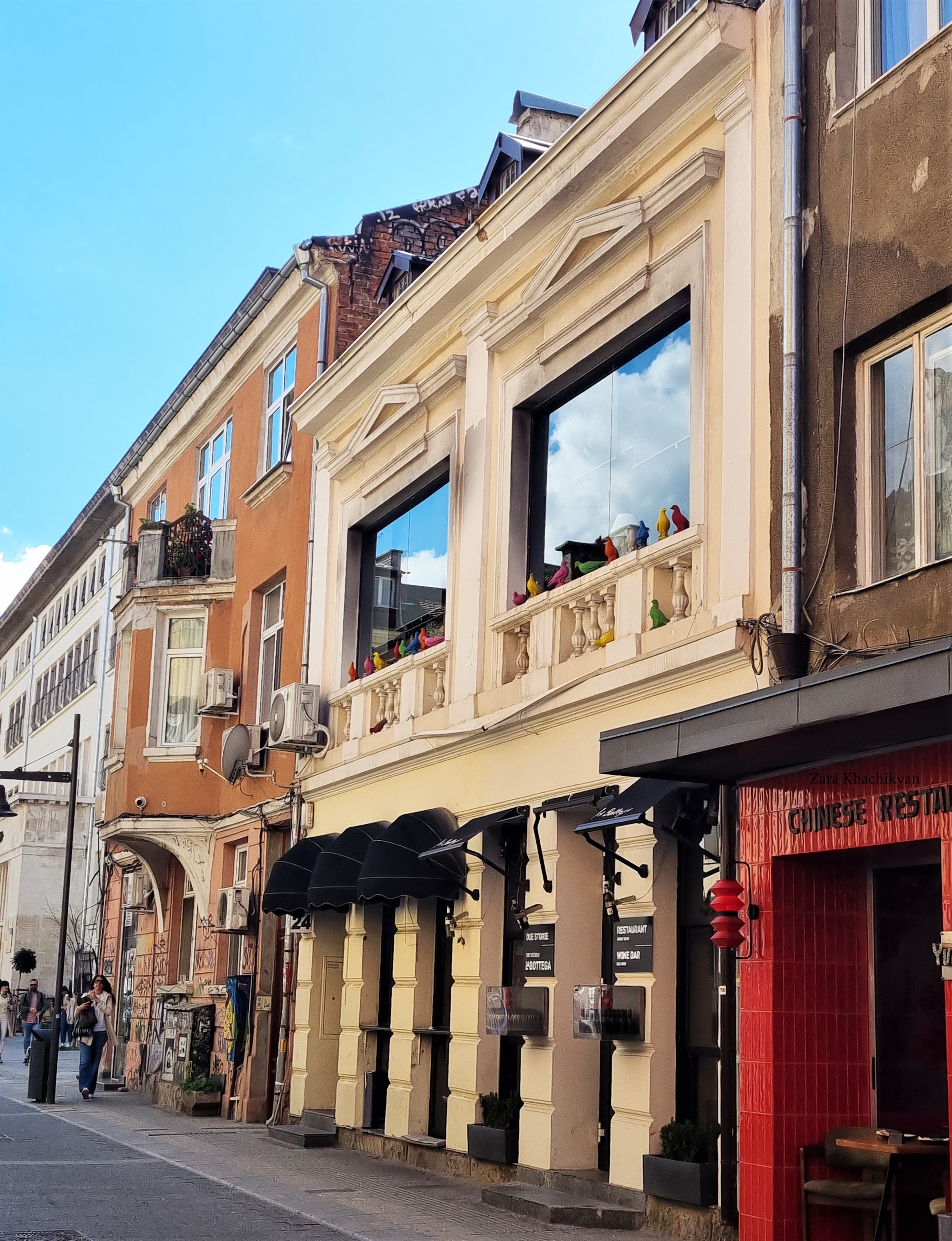
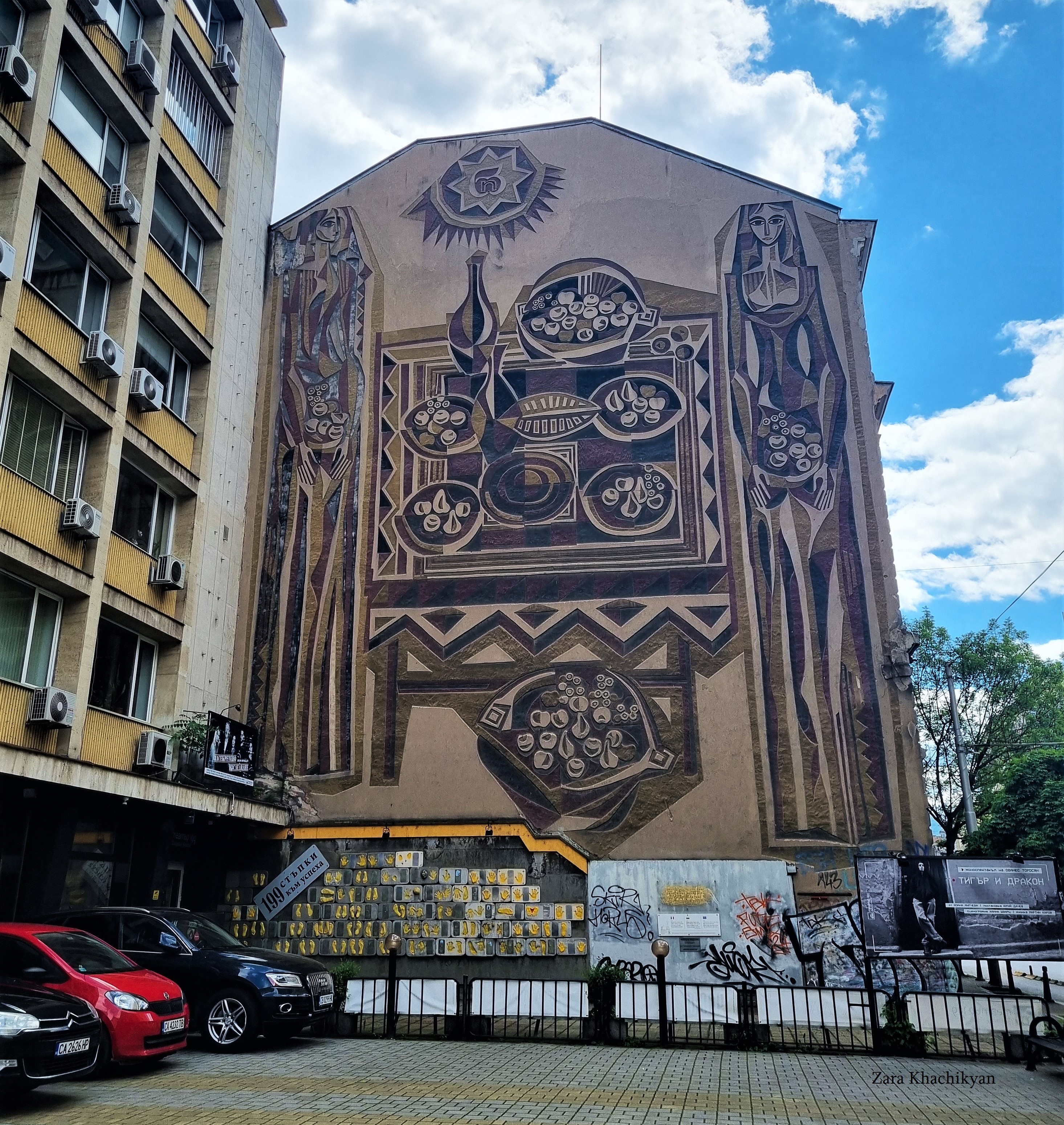
But Vitosha boulevard is not the only street you can go for a walk. In the downtown of Sofia you can “get lost” in each crossing street and find interesting buildings or colorful streets. One of those is the street of Tsar Shishman, which is full of cute old houses. Stroll in this city, look around, check nearby areas and you’ll see interesting murals all around. And what Sofia is famous for is the roses. They are everywhere. In each corner, in parks or streets. You won’t be tired of admiring this beauty around!
But believe me, this is not the all that you can see or do in Sofia. It is definitely a beautiful city, that should have its own place in your must visit list. For all above places I had two full days to visit and as you see, I managed it. So if you have only a weekend, it would be fine to spend in Sofia. I’d love to be back and spend some lazy time there in their parks and pretty nice boulevards ❤
But before that, see you somewhere else 😉
 My Life in Travel